




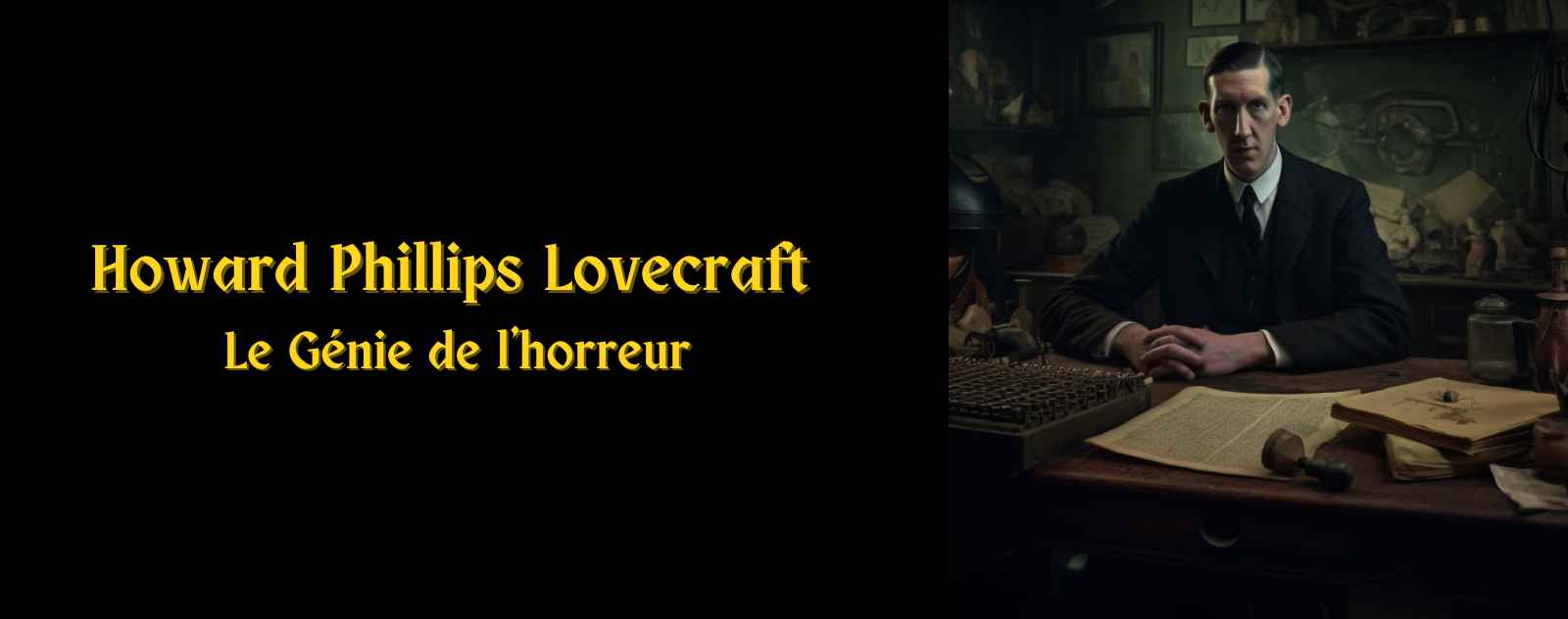
Howard Phillips Lovecraft, or H.P. Lovecraft as he is more commonly known, is an icon in the world of science fiction and horror. But who was this American writer who captivated so many readers? Let us dive into the story of this one-of-a-kind author...
The Early Years of Howard Phillips Lovecraft
Childhood in Providence
Born in 1890 in Providence, Rhode Island, Howard Phillips Lovecraft grew up in a rather isolated atmosphere. His childhood in the United States was marked by health problems that often kept him apart from other children his age. This period of his life was difficult, but it also proved to be a source of inspiration for his future stories of horror and science fiction.
Education and Inspiration
Lovecraft was a self-taught man who developed a passion for reading at an early age. Despite the challenges of his childhood, he found solace in books. His inspiration came from various literary sources, notably the classics of gothic literature and works of science fiction. He was particularly drawn to stories exploring the unknown and the supernatural. This passion for literature was the springboard that launched his career as a writer and shaped his unique creative universe.
These early years were fundamental in forming Lovecraft as an author. They laid the foundations of his body of work, which would later captivate and terrify generations of readers.
H.P. Lovecraft's Literary Beginnings
Early Stories
Howard Phillips Lovecraft, better known as H.P. Lovecraft, began writing stories at a very young age. His earliest works focused primarily on science fiction and horror, genres that had always fascinated him. These early writings were strongly influenced by his reading, notably the work of Edgar Allan Poe, for whom he regularly expressed his admiration.
The Influence of Edgar Allan Poe
The influence of Edgar Allan Poe on Lovecraft is undeniable. Both authors share a fascination with exploring the darkest aspects of the human psyche. Like Poe, Lovecraft loved plunging his readers into worlds filled with mystery and terror. This influence was a key element in the development of his own literary universe, enriching his body of work with psychological and philosophical depth.
These early years in literature were crucial for Lovecraft. They not only shaped his writing style but also established the foundations of his Cthulhu Mythos, which would later become an iconic part of popular culture.
The Cthulhu Mythos and Cosmic Horror

Creation of the Mythos
H.P. Lovecraft is best known for his creation of the Cthulhu Mythos, a rich and complex fictional universe populated by ancient gods and terrifying creatures. This mythos was developed across several of his stories, notably in landmark works such as "The Call of Cthulhu" and "The Shadow Over Innsmouth." These stories not only captivated readers but also had a lasting influence on the genres of horror and science fiction.
Key Figures
Cthulhu
Cthulhu is without doubt the most iconic figure in this universe. Described as a gigantic monster dwelling in the ocean depths, Cthulhu embodies cosmic horror — a terror that surpasses human comprehension. His name has become synonymous with all that is unfathomable and terrifying in Lovecraft's universe.
Nyarlathotep
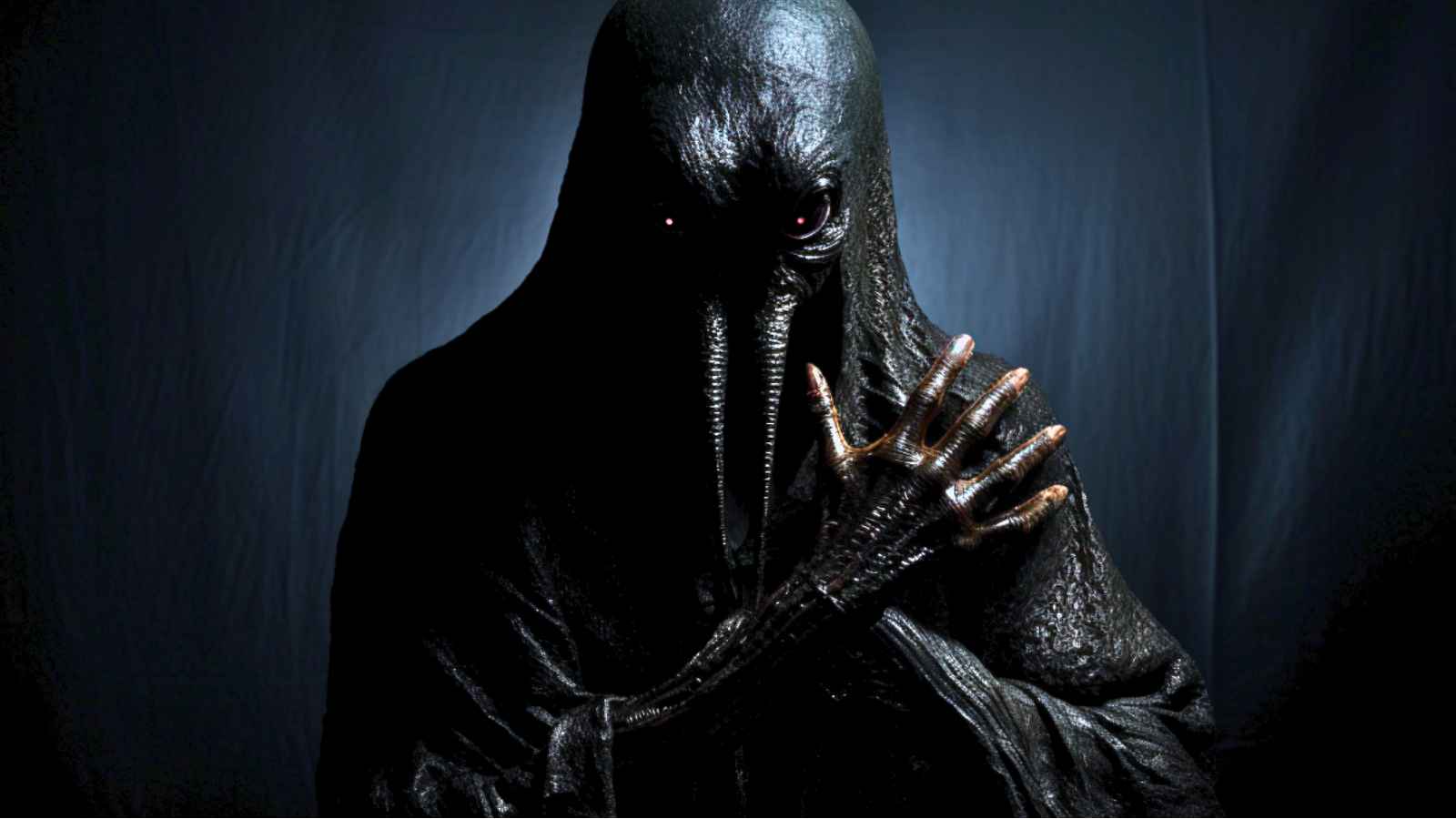
Nyarlathotep is another key figure in this mythos. Unlike Cthulhu, who remains largely shrouded in mystery, Nyarlathotep takes a more active role in the stories. He is a malevolent deity who serves as a messenger for the ancient gods, often assuming human forms in order to deceive and corrupt.
These characters, among others, constitute the pillars of the Cthulhu Mythos, and their presence continues to inspire new generations of authors, series, and even video games.
Lovecraft's Themes and Style
Cosmic Horror
H.P. Lovecraft is often credited with introducing the concept of cosmic horror into literature. This is not simply horror that frightens, but a horror that destabilizes our understanding of the universe and our place within it. This theme is omnipresent in his works, where he explores the universe's indifference toward humanity. It is not so much that the universe is malevolent, but rather that it is indifferent to our existence — which can be even more terrifying.
Controversies and Criticisms
Lovecraft is a complex and sometimes controversial figure. Although he is widely celebrated for his boundless imagination and his lasting impact on science fiction and horror, he has also been criticized for certain of his viewpoints. His opinions on race and ethnicity in particular have been the subject of significant criticism. These aspects of his life and work are part of ongoing discussions about his legacy, and they are often taken into account in the studies and biographies devoted to him.
These themes and controversies continue to fuel debate around Lovecraft, making him a figure who is both admired and contested in the world of literature.
H.P. Lovecraft's Major Works — Short Stories
The Call of Cthulhu
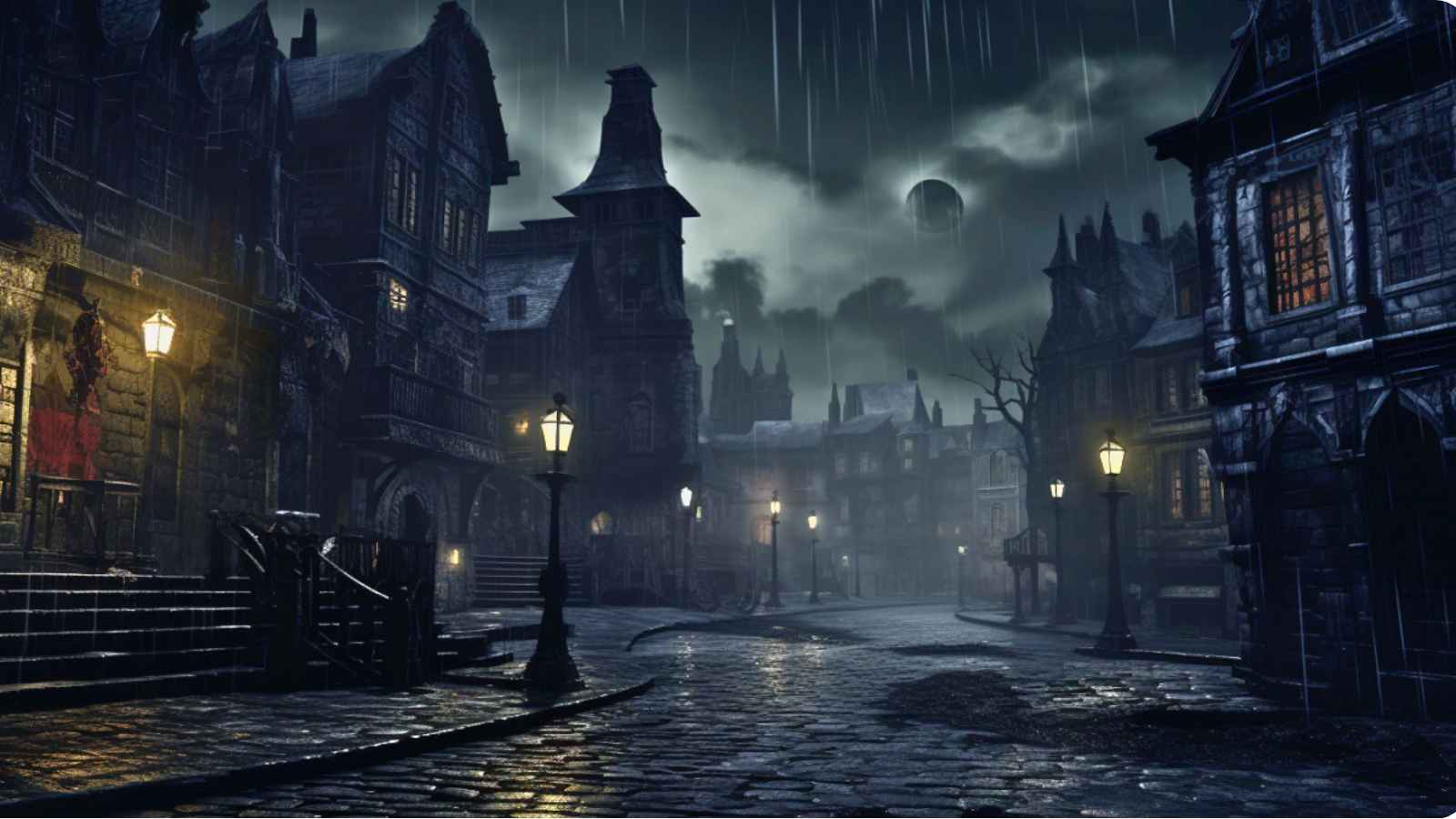
"The Call of Cthulhu" is without doubt one of Lovecraft's most iconic works. First published in 1928, this short story introduced the Cthulhu Mythos, a fictional universe populated by ancient gods and terrifying creatures with affinities to the gothic style. The story had a major impact on the literature of horror and science fiction, and continues to inspire authors, readers, and adaptations across various media.
At the Mountains of Madness
One of Lovecraft's most celebrated works, "At the Mountains of Madness" takes us on an expedition to Antarctica where the characters discover unimaginable horrors. This story is a perfect example of cosmic horror, a recurring theme in Lovecraft's work.
The Shadow Over Innsmouth
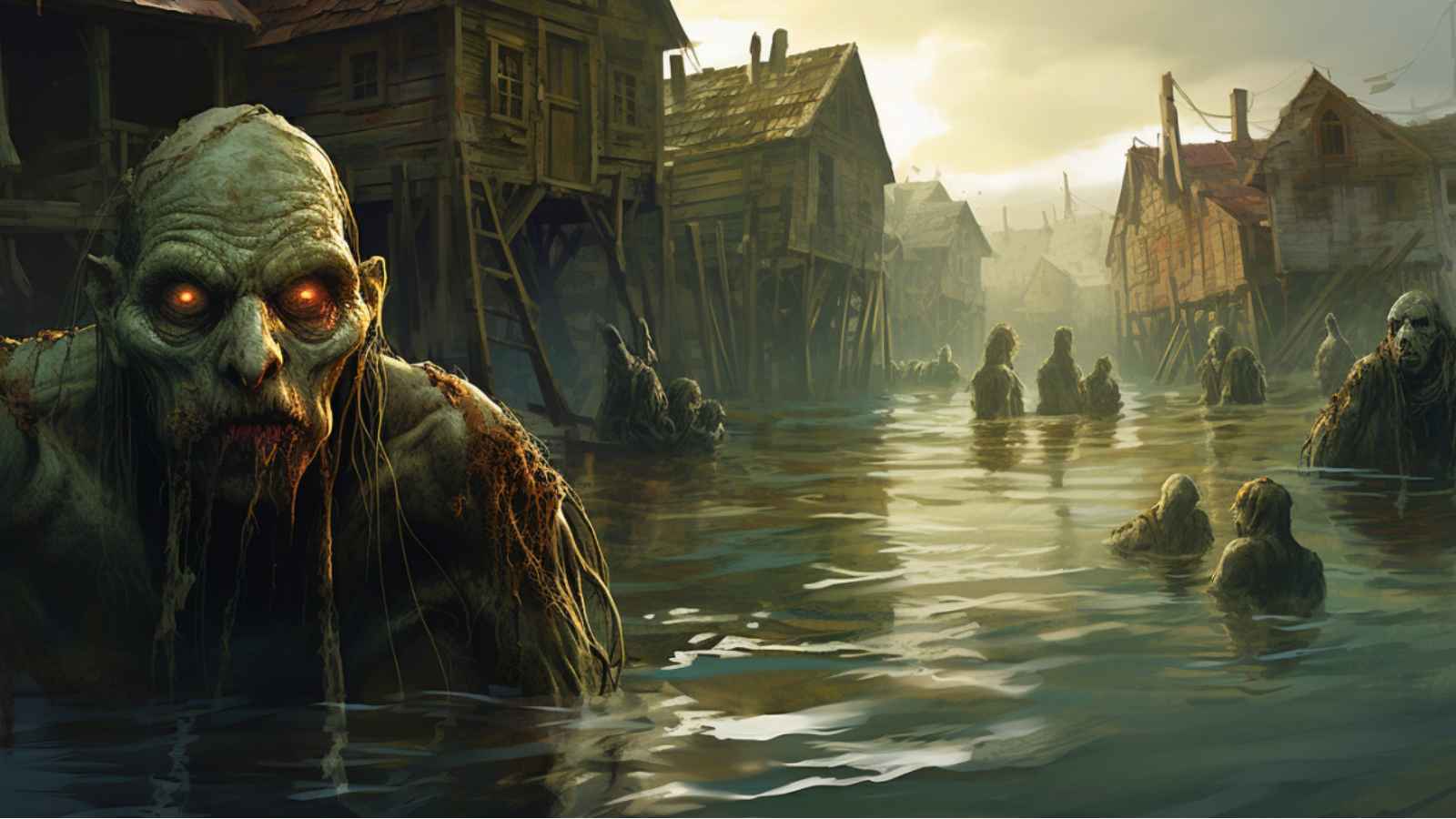
This short story is another cornerstone of the Cthulhu Mythos. It explores the fictional town of Innsmouth, where the inhabitants have struck a terrifying pact with marine creatures known as the Deep Ones. The story is an excellent example of the way Lovecraft blends horror and science fiction to create a unique atmosphere.

H.G. Wells: The Father of Science Fiction
The Colour Out of Space
In this short story, Lovecraft explores the theme of the universe's indifference through the tale of a meteorite that lands on a rural farm, bringing with it an unknown "colour" that has devastating effects on the land and its inhabitants.
The Case of Charles Dexter Ward
In this story, Lovecraft explores the theme of raising the dead through the character of Charles Dexter Ward, a man obsessed with his ancestor and occult practices. The narrative takes place in Providence, the author's hometown.
The Shadow Out of Time
This science fiction story explores themes of time travel and the exchange of consciousness between beings from different eras. It is a work that pushes the limits of the imagination and has been a source of inspiration for many authors.
The Dunwich Horror
In this story, Lovecraft presents a terrifying creature born of the union between a woman and a supernatural entity. The narrative explores themes of witchcraft and the occult, and is set in rural Massachusetts, a backdrop Lovecraft frequently employed.
Each of these works contributes to the breadth of Lovecraft's body of work, enriching his universe and developing his favourite themes. They continue to be studied and appreciated by new generations of readers and scholars.

Key Points
-
Howard Phillips Lovecraft, better known as H.P. Lovecraft, remains an indispensable American writer in the field of science fiction and horror. Born in Providence, Rhode Island, his work has crossed generations and continues to influence literature, television series, and even comic books. Although controversial for certain of his viewpoints, his fictional universe and his stories have captivated readers worldwide.
-
His unique approach to cosmic horror paved the way for many authors and established a system of myths and creatures that endures to this day. Works such as "The Call of Cthulhu" and "At the Mountains of Madness" are pillars of the field, and terms like "Cthulhu Mythos" have become cultural touchstones.
-
Lovecraft drew his inspiration from various sources, including his own childhood and his reading, to create a rich and complex universe that continues to be explored and studied. His impact on horror and science fiction literature is undeniable, and his work continues to be a source of inspiration and discovery for new generations of readers and authors.
-
Lovecraft's work is a tribute to the imagination — a collection of stories that transcend time and space, and that continue to fuel discussions, studies, and adaptations. It is undeniable that his legacy will endure, making him an uncontested master of fantastical literature.
And so we conclude our exploration of the unsettling world of H.P. Lovecraft — a universe that continues to haunt and inspire, while provoking deep debates and reflections on the human condition and the universe's indifference.
FAQ
Who is H.P. Lovecraft?
H.P. Lovecraft, full name Howard Phillips Lovecraft, was an American writer born in 1890 in Providence, Rhode Island. He is best known for his major contributions to horror and science fiction literature. His work has had a considerable influence on these genres and continues to be studied and adapted today.
What is the Cthulhu Mythos?
The Cthulhu Mythos is a fictional universe created by Lovecraft, populated by ancient gods, terrifying creatures, and inexplicable phenomena. This mythos was developed across several of his stories, such as "The Call of Cthulhu" and "The Shadow Over Innsmouth," and continues to influence literature and popular culture.
What are the main themes in Lovecraft's works?
Lovecraft's works explore themes such as cosmic horror, the universe's indifference toward humanity, and the darker aspects of the human psyche. He introduced a concept of horror that goes beyond traditional human fears, calling into question our place in the universe.
Why is Lovecraft controversial?
Although Lovecraft is celebrated for his boundless imagination and his contribution to literature, he has also been criticized for certain of his viewpoints, particularly his opinions on race and ethnicity. These aspects have prompted debate about how to contextualise his legacy.
Where can I read Lovecraft's works?
Lovecraft's works are widely available in various formats. You can find them online, in libraries, and in bookstores. Many collections of his stories are also available, offering an overview of his universe and his themes.