




From "Treasure Island" to "Doctor Jekyll and Mr. Hyde", Robert Louis Stevenson remains an essential writer. But who was this Scotsman who captivated the world with his adventure stories and psychological novels? Let us dive into the biography of this major author.
Robert Louis Stevenson's Youth: From Edinburgh to Tales of Adventure.
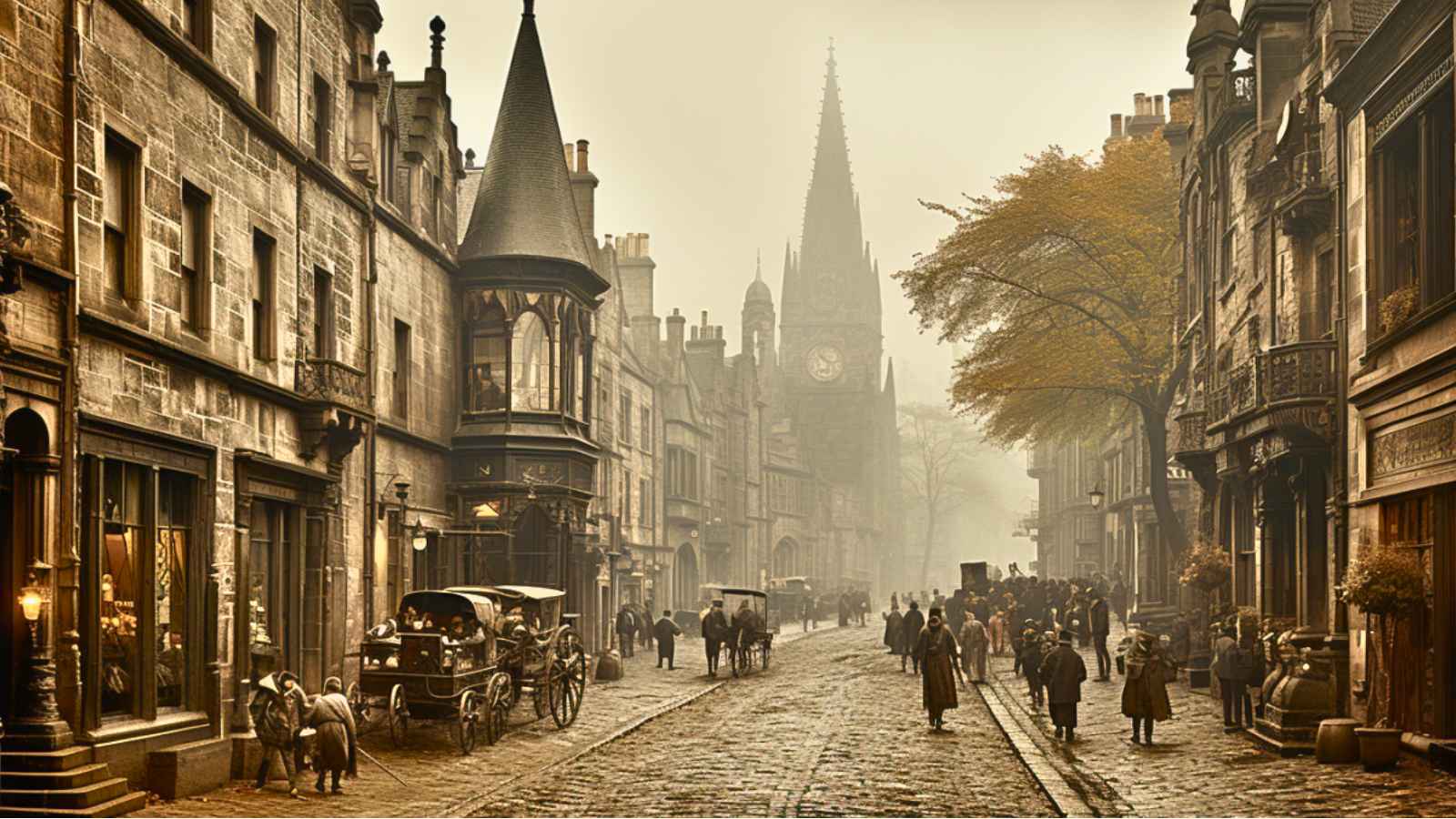
Born in 1850 in Edinburgh, the Scottish capital, Robert Louis Stevenson was not only a child of the Victorian Era, but also the product of an influential family. His father, Thomas Stevenson, was a renowned civil engineer specializing in the design of lighthouses. His mother, Margaret Balfour, also came from a respected family. Despite this prestigious background, it was another family figure who had the greatest impact on young Stevenson's life.
The Influence of Alison Cunningham
Alison Cunningham, nicknamed "Cummy", was Stevenson's nurse and played a central role in his emotional and intellectual upbringing. Not only did she care for him during his fragile, illness-marked childhood, but she also introduced Robert Louis to a rich world of tales and legends. This early exposure to stories of adventure and morality undoubtedly shaped Stevenson's fertile imagination.
A Childhood Between Reality and Imagination
Stevenson showed an early talent for writing. From a very young age, he began composing his own stories. He was also an avid reader, immersing himself in works such as "One Thousand and One Nights". Despite his formal education at the Edinburgh Academy, it was this self-directed exploration that truly nourished his creative genius.
A Family of Contrasts
Stevenson's family was a mix of contrasts. While his father Thomas was a man of science, Stevenson's mother Margaret and his nurse Alison were more oriented toward literature and spirituality. This blend of influences undoubtedly contributed to his talent for combining realistic and fantastical elements in his later works.
Stevenson's Major Works: From Mystery to Adventure
Robert Louis Stevenson left behind a rich and varied literary legacy. His works explored a wide range of genres, from short stories to adventure novels and travel narratives. However, he is best known for three major works that left their mark on world literature.
Treasure Island: A Classic of Adventure Literature
One of Stevenson's most famous novels is undoubtedly "Treasure Island". First published in 1883, this book is often considered the starting point of the modern adventure novel genre. It addresses themes such as courage, friendship, and of course, the search for treasure. The novel was so influential that it practically defined the popular image of pirates, complete with their parrots, wooden legs, and distinctive jargon.
Dr Jekyll and Mr Hyde: A Psychological Thriller
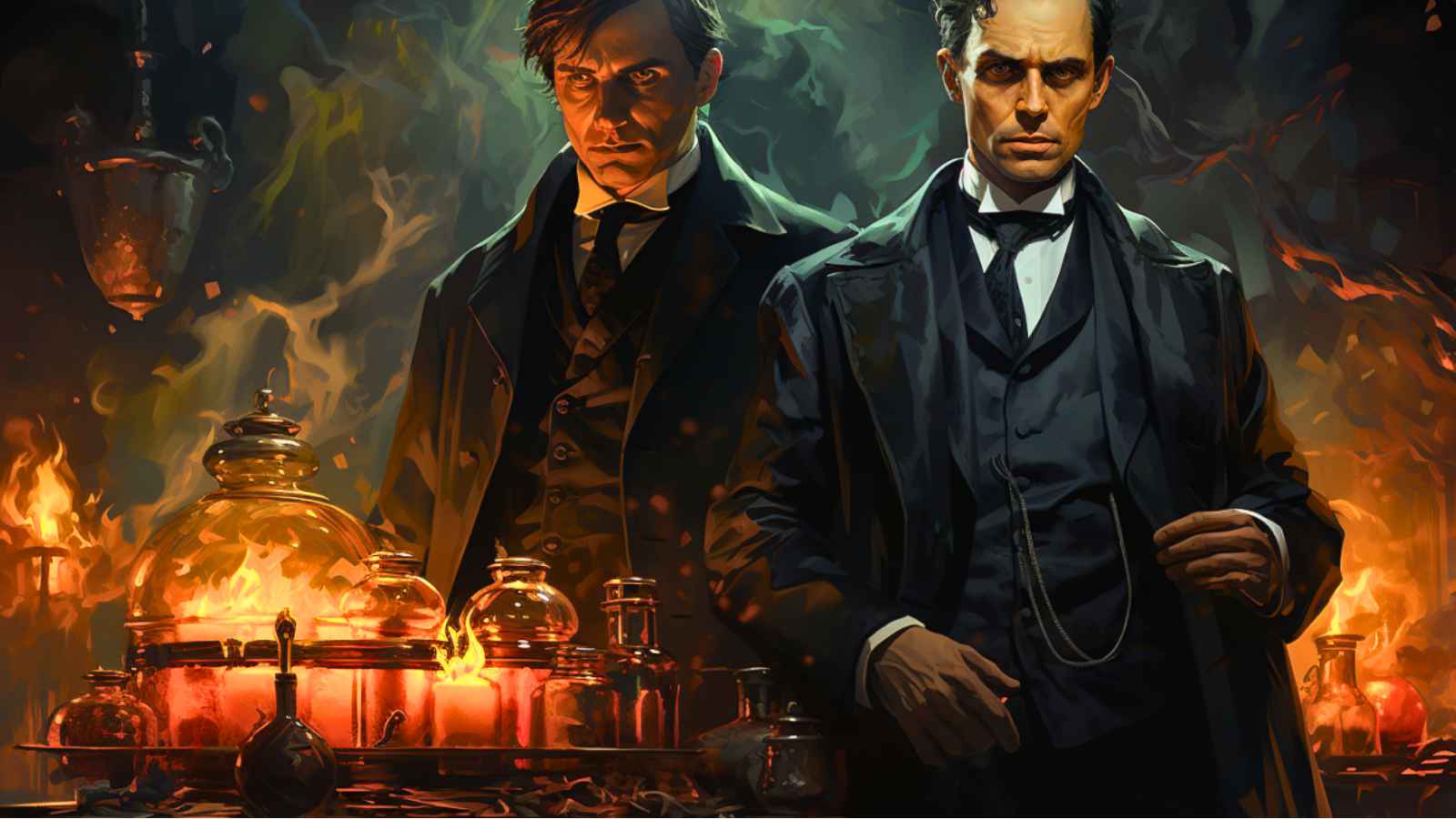
"Dr Jekyll and Mr Hyde" is another iconic work by Stevenson, published in 1886. In this short novel, the author explores the duality of human nature through the story of Dr Jekyll, a man who develops a potion to separate his good side from his bad. This book had a profound impact on literature and psychology, and it continues to be studied as a complex work on identity and morality.
Travels with a Donkey in the Cévennes: The Joy of Travel
Less well known but equally important is his "Travels with a Donkey in the Cévennes", a travel narrative published in 1879. Stevenson recounts his 12-day journey through the mountains of the Cévennes, accompanied by a donkey named Modestine. The book is as much a reflection on solitude and the meaning of adventure as it is a picturesque travel journal.
Robert Louis Stevenson and Steampunk: An Unexpected Connection
Stevenson's Impact on the Steampunk Genre
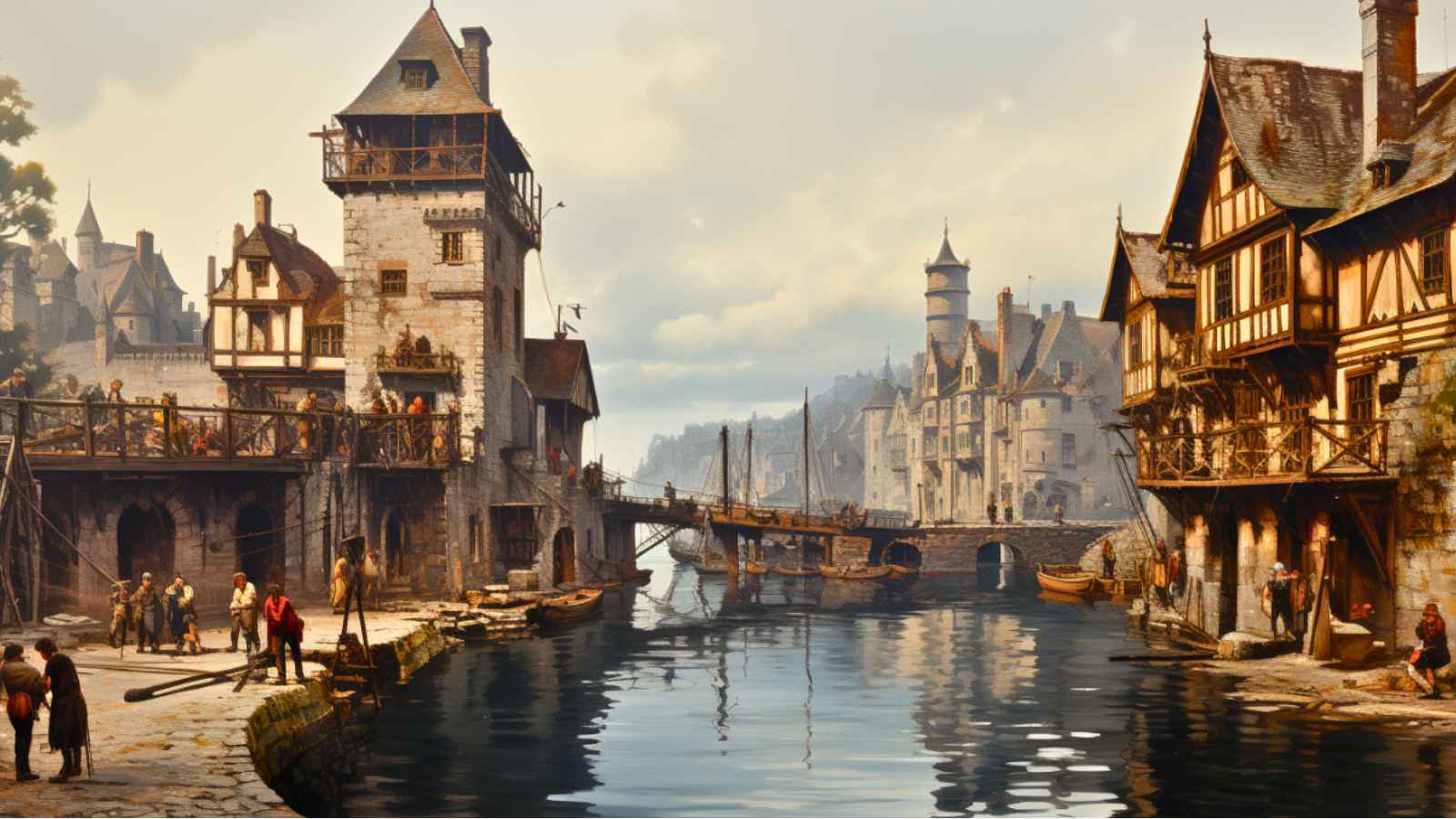
Robert Louis Stevenson, though primarily associated with the adventure and mystery genres, also left his mark on the world of steampunk. His work, steeped in Victorian motifs, complex machinery, and scientific exploration, often serves as the backdrop for the steampunk universe.
Steampunk Elements in Stevenson's Works
Take for example "Dr Jekyll and Mr Hyde". This story deals with human duality and the impact of science without ethics, both central themes in steampunk. The use of potions, secret laboratories, and metaphysical transformations reveals an undeniable link with the aesthetics and concerns of steampunk.
Stevenson and the Machine
In the world of steampunk, machines and inventions often play a crucial role. Stevenson, the son of an engineer, had a fascination with mechanics and technology. This fascination is reflected in his works, where engineering and science are often woven into the narrative.
Stevenson's Steampunk Legacy
Stevenson's novels, with their Victorian settings, their fascination with technology, and their exploration of moral and ethical themes, have influenced many modern steampunk authors. The genre itself borrows elements from his works to create complex worlds where machines and humanity coexist, sometimes in conflict.
Stevenson's Legacy: A Man of Multiple Talents
Robert Louis Stevenson is not simply a novelist; he is far more than that. Whether as an essayist, an author of short story collections, or even a traveller, he left an indelible mark on the literary and cultural landscape.
A Thoughtful Essayist
Stevenson was also an essayist who contributed to the cultural and social debates of his era. His writing style was both incisive and nuanced, allowing him to reach a wide audience. His articles and essays often explored deep questions, from societal issues to aspects of the human condition, establishing his reputation as a thinker as much as a writer.
Author of Short Story Collections
In addition to his novels, Stevenson was also a master of the short form. His short story collections such as "Island Nights' Entertainments" and "The Silverado Squatters" were praised for their ingenuity and originality. In these stories, he often explored themes of good and evil, adventure, and identity.
The Adventurous Traveller
Stevenson was also an intrepid traveller, which is reflected in his work "Travels with a Donkey in the Cévennes". His travel accounts, often written in a vivid and picturesque style, captured the essence of the places he visited, from Scotland to Samoa, and enriched his palette as a writer.
A Diverse Legacy
Not only do his works continue to be read today, but they are also studied in academic settings and adapted into other media. Stevenson left behind a diverse legacy that goes far beyond his most celebrated novels.
Fragile Health and the Final Journey: Stevenson's Battle Against Illness
Health: A Constant Challenge
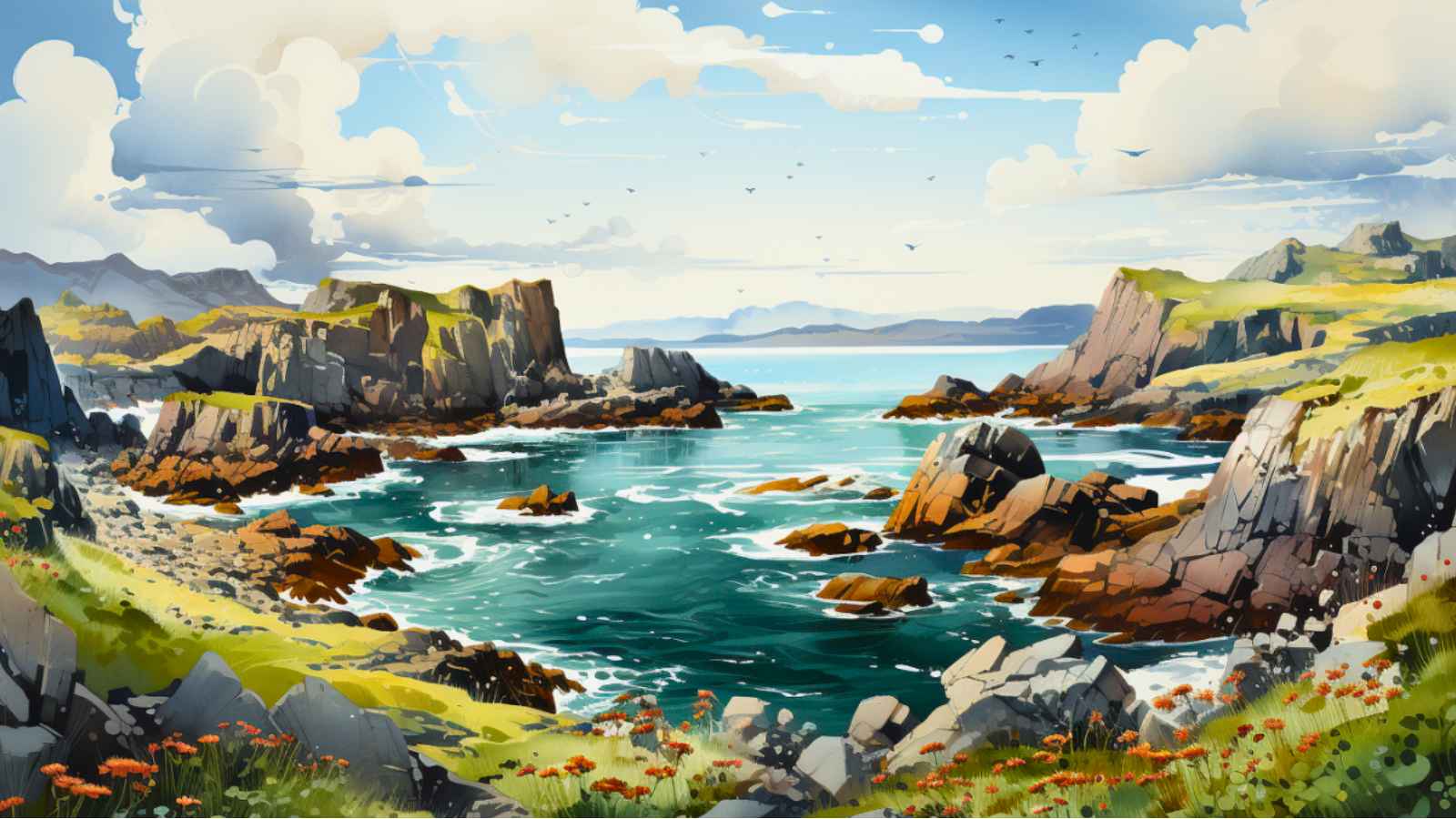
From his birth in Edinburgh, Robert Louis Stevenson's health was always a source of concern. Throughout his life, he suffered from various health problems that often prevented him from living like everyone else. Yet this never stopped his creative drive.
In Search of a Favourable Climate
Faced with his recurring health problems, Stevenson was often in search of a climate that might improve his condition. This journey for wellbeing led him to several destinations, from the United States to France, including the small French village of Grez-sur-Loing. He finally found a suitable place in Samoa, an archipelago in the South Pacific with a tropical climate.
The Final Stop: Vailima, Samoa
In Samoa, Stevenson purchased an estate he called "Vailima". He spent the last years of his life in this peaceful place, continuing to write and to engage with the local community. Despite his fragile health, Stevenson was active and beloved by the locals, who nicknamed him "Tusitala", meaning "storyteller" in Samoan.
A Productive End of Life
Even in these conditions, Stevenson never stopped writing. It was here that he composed some of his most memorable works and it was also here that he passed away, leaving behind an invaluable collection of manuscripts, notes, and letters.
Robert Louis Stevenson, far more than a simple Scottish writer, is a true pillar of the literary world and, by extension, of the steampunk genre. His stories, full of adventure, mystery, and ethical questions, continue to fascinate everyone, from readers to painters seeking to capture the essence of his tales. Although he did not live long enough to see the rise of steampunk, his influence is felt on every page of this literary genre.
So why not add a few of his novels to your personal collection? You will discover not only a window onto a distant past, but also an inexhaustible source of inspiration for modern literary genres, including steampunk.