



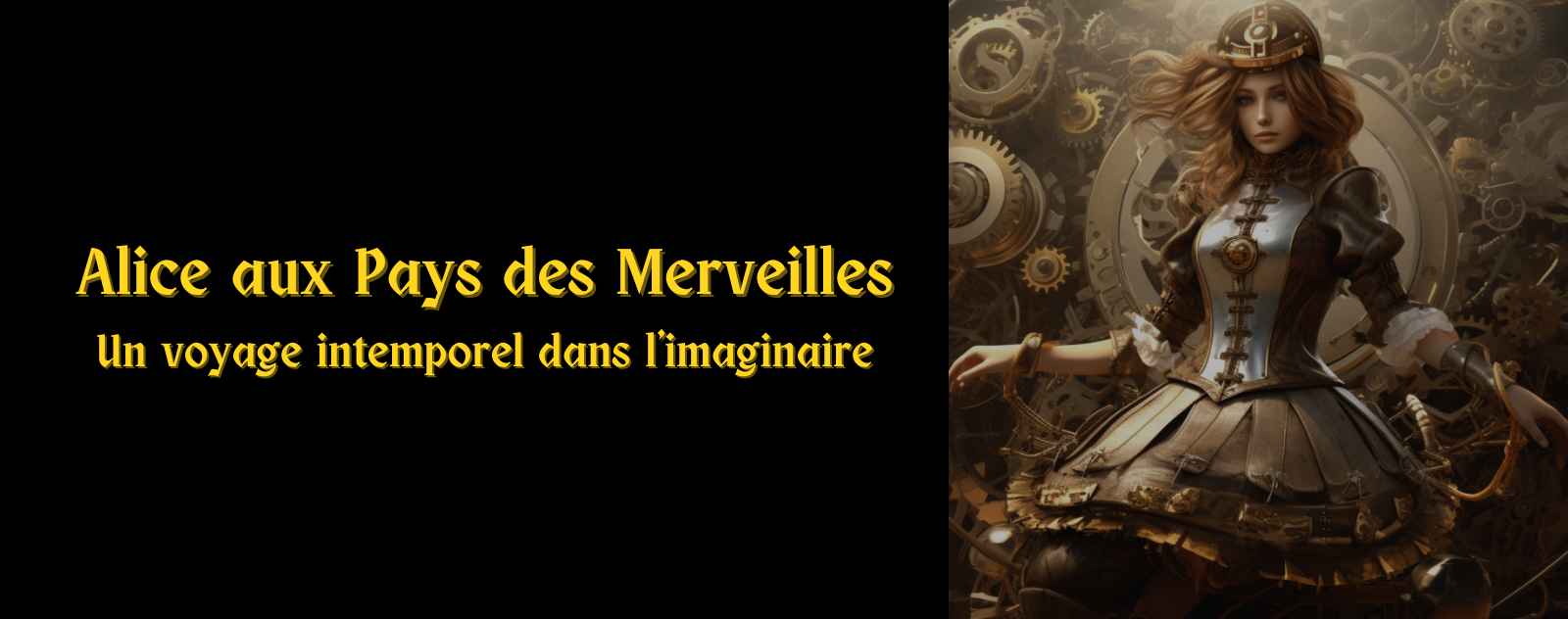
Who hasn't heard of Alice and her astonishing journey into a world where nothing is what it seems? "Alice's Adventures in Wonderland" is not simply a children's book — it is a voyage into the imagination that has captivated millions of people, young and old alike. Like The Wizard of Oz, you may wonder why this tale has endured through the ages. So, buckle up — we're about to go down the rabbit hole!
The Origins of Lewis Carroll's Tale
Lewis Carroll: The Man Behind the Pseudonym
Lewis Carroll, whose real name was Charles Lutwidge Dodgson, was not only a writer but also a mathematician and a photographer. "Alice's Adventures in Wonderland" is among his most celebrated works.
The Original Title and Its Editions
The original title of this book is "Alice's Adventures in Wonderland." From its first edition in 1865, the tale enjoyed enormous success. Over time, numerous editions appeared, each bringing its own charm to Wonderland.
The Inspiration: Alice Liddell
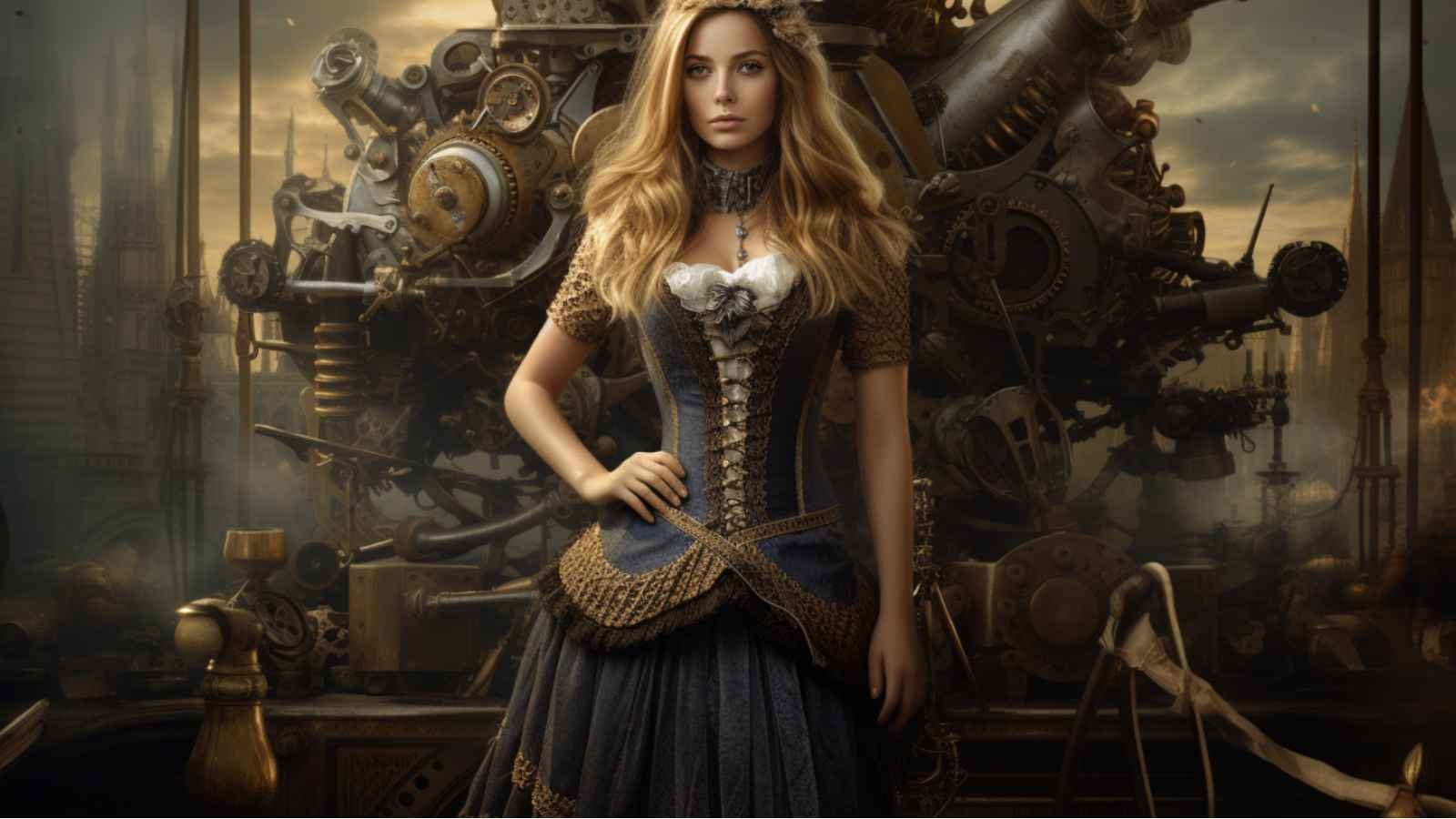
This masterwork was inspired by Alice Liddell, a young girl whom Lewis Carroll knew well. The universe into which Alice is propelled is none other than the fruit of the many adventures Carroll originally told to entertain Alice Liddell and her sisters.
Popularity and Impact on Literature
Since its first publication, the book rapidly gained in popularity and became a literary classic. The adventures of Alice, the White Rabbit, and the Queen of Hearts are known to all, captivating the imagination of children and adults around the world.
The Memorable Characters
Alice: The Heroine of an Entire Country

Alice is more than a simply curious little girl; she is the central character who guides us through this enigmatic Wonderland. Her innocence and her boldness in the face of unexpected situations make her a character who is at once exasperating and fascinating. Is she not like the part of us that longs to explore and understand the world?
The White Rabbit: The Pursuit of Time
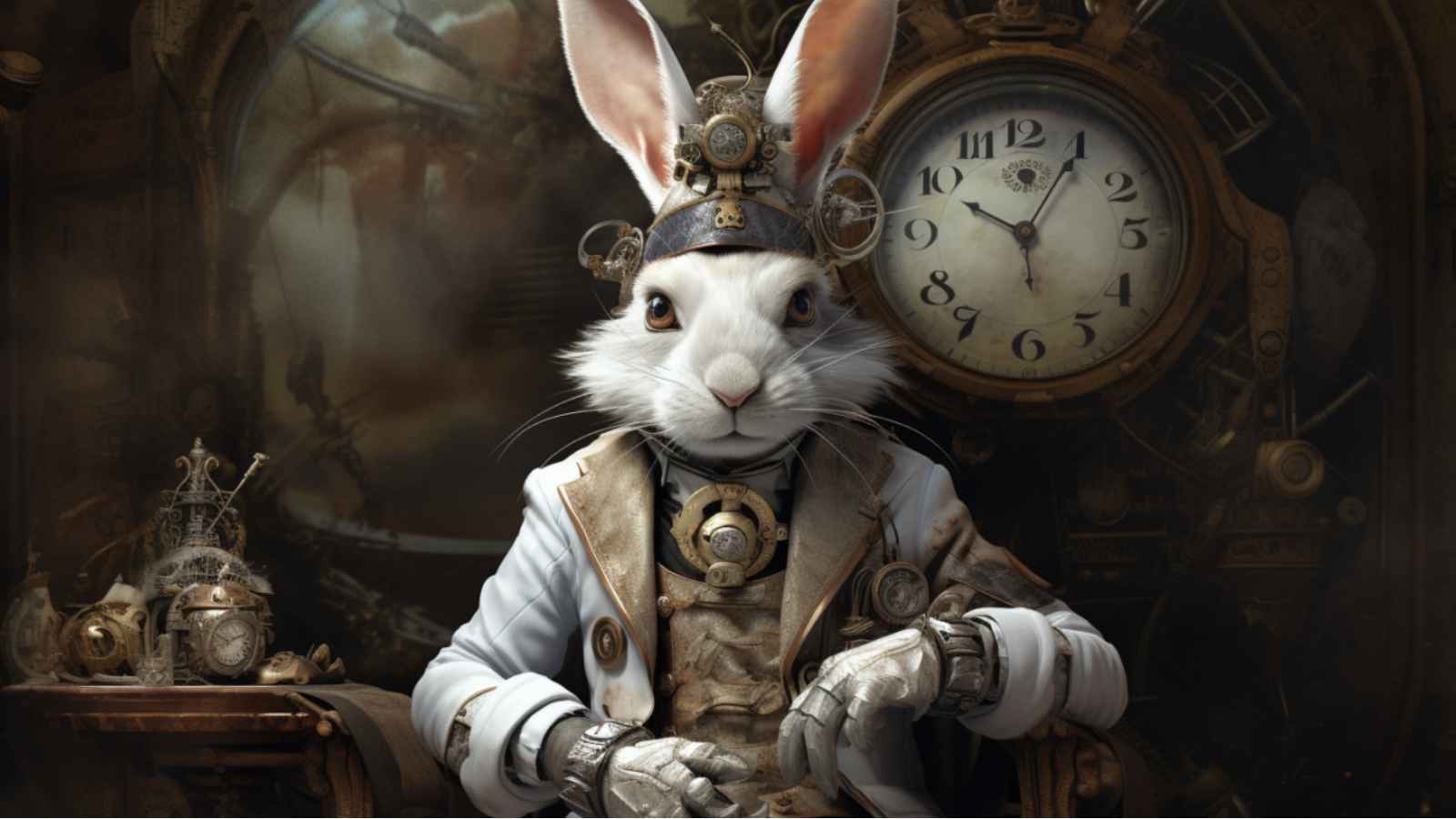
Ah, the White Rabbit! This character is often the first creature one encounters in Wonderland. Always late, he symbolizes our own race against the clock. He is the trigger of all Alice's adventure and represents that sense of urgency we have all felt at one time or another.
The Mad Hatter: Master of Nonsense
The Mad Hatter, often simply called the Hatter, is another iconic figure. His fondness for tea and his sense of the absurd make him an unforgettable character. He represents the chaotic and unpredictable side of life — that side we sometimes try to suppress, but which always appears when we least expect it.
The Queen of Hearts: Terror of the Kingdom
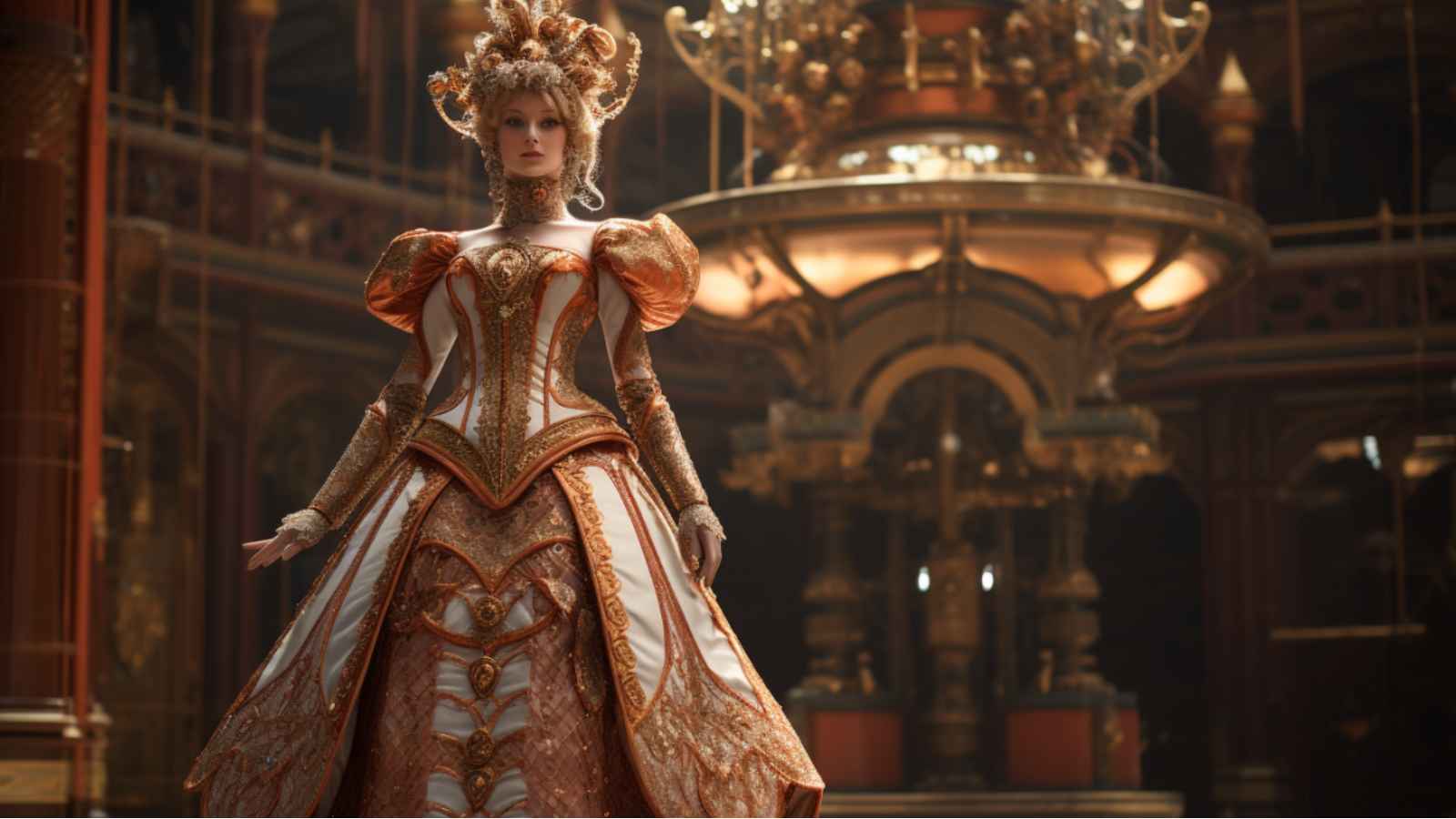
The Queen of Hearts is the antagonist everyone loves to hate. Despotic and ruthless, she embodies the darker aspects of Wonderland. Her obsession with power and her explosive temper make her a memorable and frightening character. Does she not represent the darker sides we seek to avoid in our own minds?
The Cheshire Cat: The Smiling Philosopher

The Cheshire Cat is without doubt one of the most mysterious characters in Wonderland. With his enigmatic smile and his sporadic appearances, this cat offers Alice and the readers cryptic advice. Is he not a reflection of our own ambiguity — that part of us that loves asking questions but hates answering them?
Tweedledee and Tweedledum: The Incomparable Twins
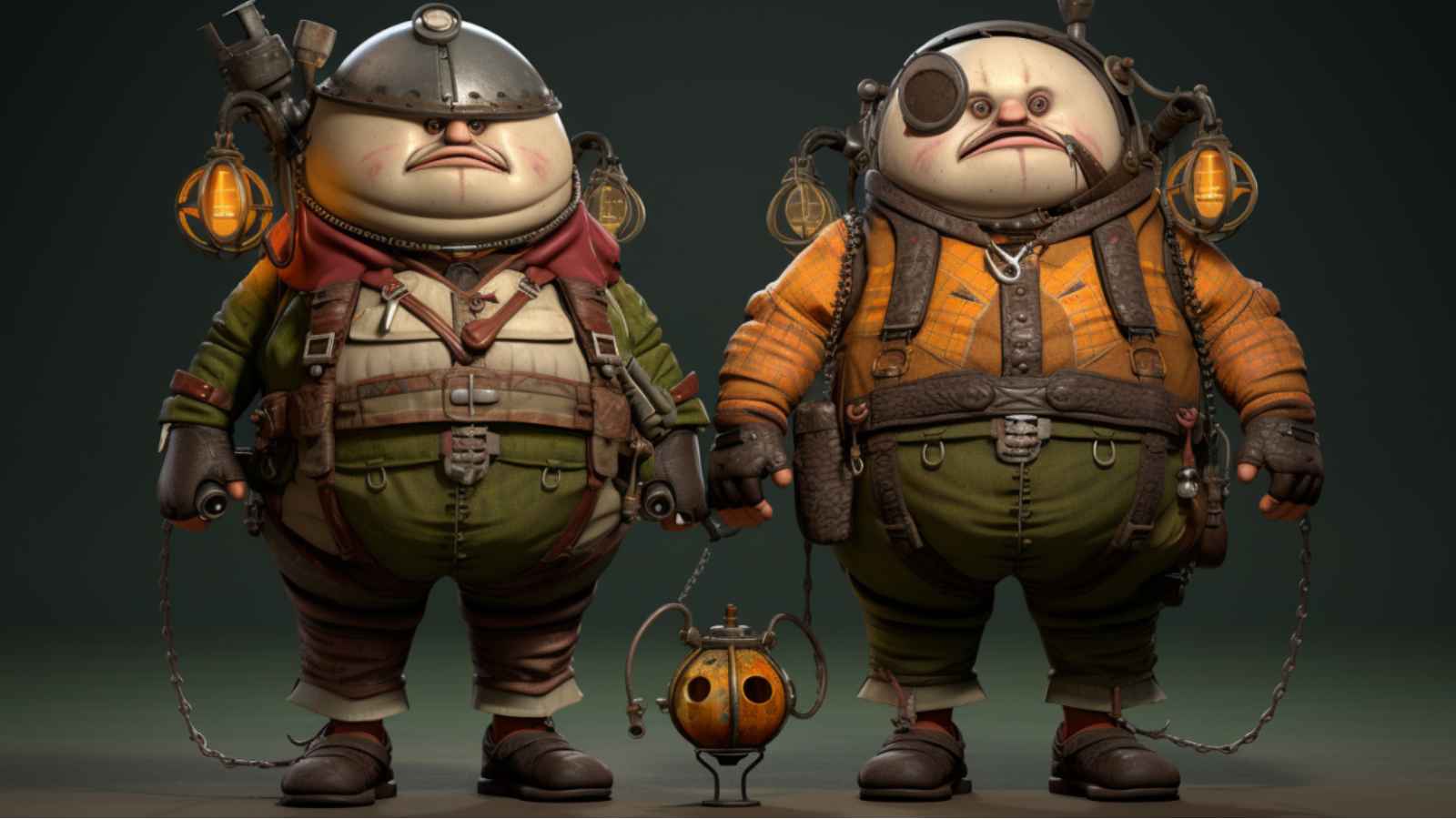
These two brothers are like two sides of the same coin. They finish each other's sentences and always seem ready to launch into ridiculous quarrels. Yet their presence highlights the importance of sibling relationships and the unique bond that twins can share. Are they not a reflection of our own internal contradictions?
The Caterpillar: The Spiritual Guide
The Caterpillar is a more reserved but equally important figure. He helps Alice understand the ever-changing rules of Wonderland and gives her the tools to navigate this fantastic world. Does he not represent those mentors or teachers who appear in our lives to guide us at the moments we need it most?
Themes and Moral: A Mirror with Many Facets
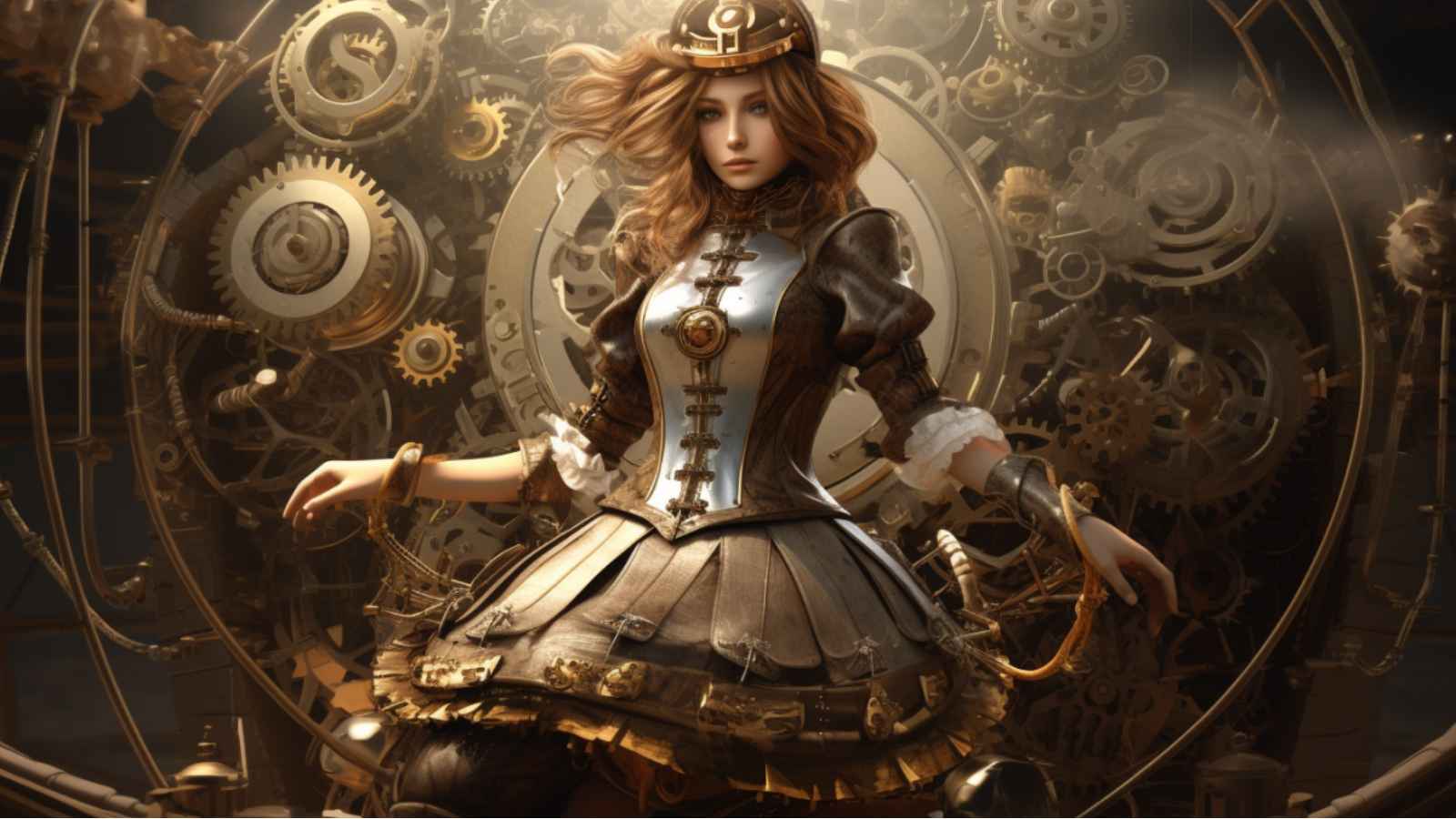
Wonderland is a universe filled with paradoxes, mysteries, and hidden lessons. The themes it addresses are universal and continue to resonate with readers of all ages.
Identity: Who Am I?
One of the most obvious themes in the book is that of identity. Alice constantly asks herself: "Who am I?" She changes size, meets strange characters, and is constantly confronted with situations that defy all logic. All of this pushes her to question who she really is — a questioning that each of us has had to face at some point in our lives.
Time: An Endless Race
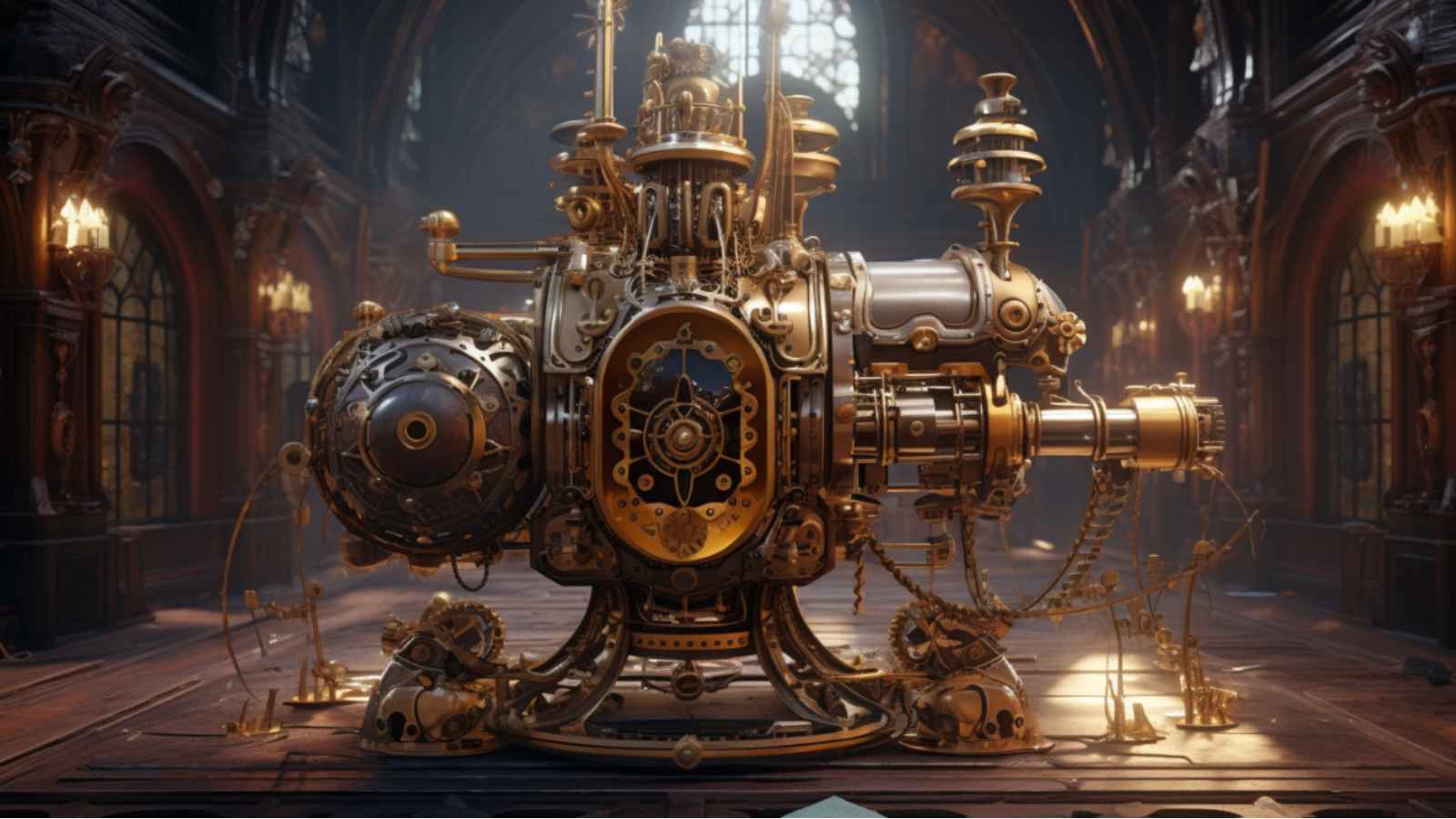
Time is another major theme. The White Rabbit is always late, clocks are mad, and the Mad Hatter is stuck at 6 o'clock for an eternal tea party. Time is represented as a flexible and unpredictable entity, much like in our own existence.
Logic and Absurdity: Does Nonsense Make Sense?
The book plays extensively with logic — or rather, illogic. From the pipe-smoking caterpillar to the disappearing cat, through rules that aren't really rules, everything defies reason. And yet it leads us to wonder: is logic always the best way to understand the world?
Moral: The Eloquent Absence
And what of the moral in all this? Well, perhaps the point is that the book has no clear and simple moral — and that is precisely what makes it so unique and fascinating. It does not give us ready-made answers but pushes us to seek our own truths.
Alice in Wonderland, the Victorian Era, and Steampunk
The Victorian period and the steampunk movement might seem far removed from the universe imagined by Lewis Carroll. Yet there are fascinating intersections between these elements.

The Victorian Setting: More than a Context
"Alice's Adventures in Wonderland" was written at the very heart of the Victorian era, a period characterized by rigid social norms and a booming industrial revolution. Alice herself is a product of that society, with her politeness and sense of propriety. Is it not fascinating to see how she reacts to the absurdities of Wonderland, which defy all the norms of her age?
Steampunk: A Modern Reinterpretation
The steampunk movement, with its blend of Victorian elements and retro-futuristic technology, finds a surprising resonance with the work of Lewis Carroll. Steampunk adaptations of "Alice" have emerged, incorporating elements such as gears, complex pocket watches, and steam-powered machines. Steampunk adds a layer of complexity to the tale, transforming Wonderland into a sort of laboratory for mad technological experiments.

Women's Steampunk Outfit: A Beginner's Guide
The Clash of Cultures: A Space for the Imagination
The Victorian era of an Oliver Twist or Mr Hyde, with its rules and rigidity, contrasts sharply with the creative anarchy of Wonderland. In the same way, steampunk blurs the lines between technology and magic, past and future. What if these worlds were ultimately two sides of the same coin — an invitation to explore the limits of our imagination?
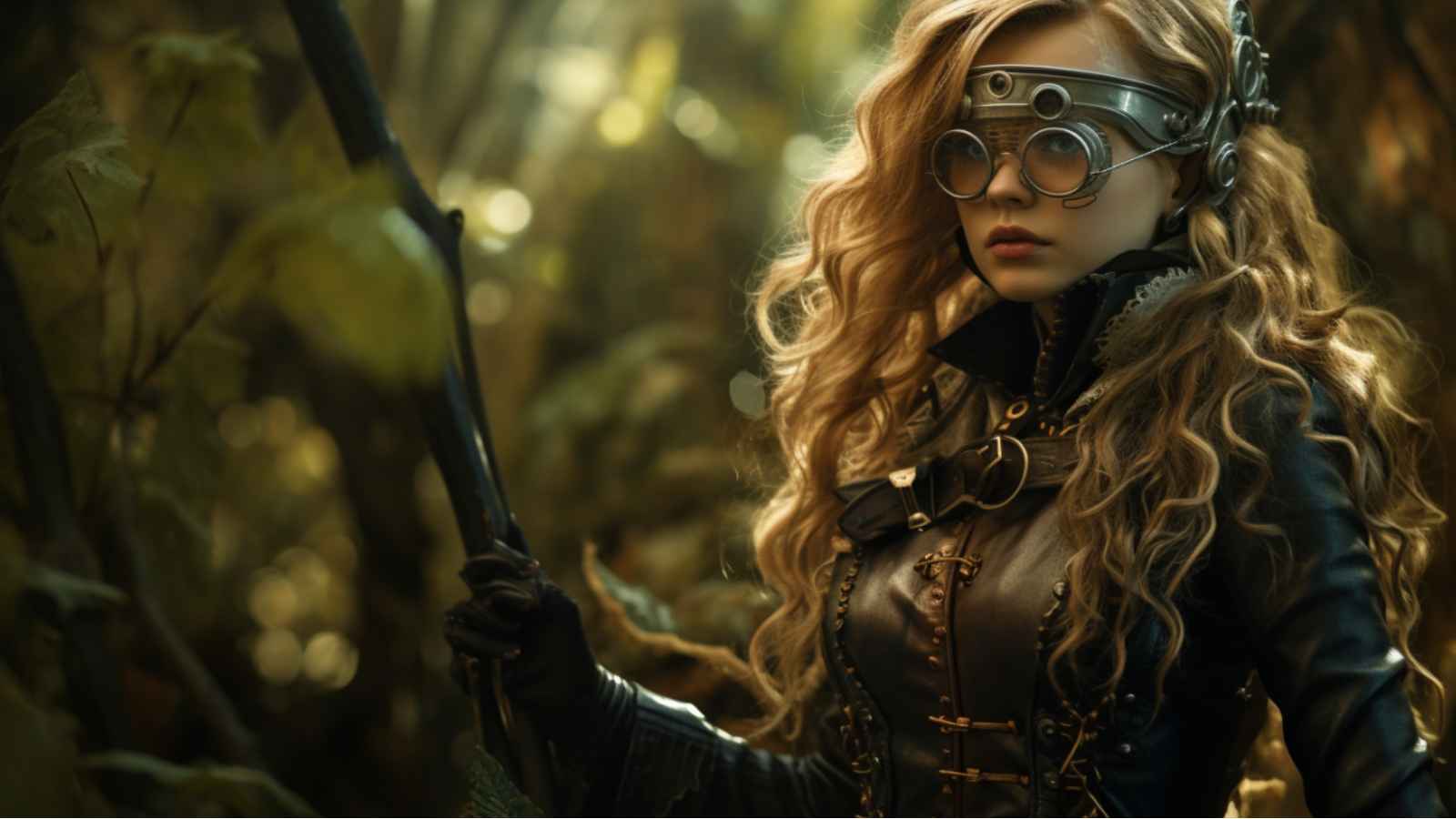
"Alice's Adventures in Wonderland" is more than a simple children's tale. It is an exploration of the imagination, the psyche, and the complexity of life. A journey that each of us can undertake, at any age.
Frequently Asked Questions
Who is the author of Alice in Wonderland?
The author is Lewis Carroll, whose real name was Charles Lutwidge Dodgson. He was an English writer, mathematician, and photographer. The story was inspired by Alice Liddell, a young girl Carroll knew well.
Does the tale have a moral?
This is open to interpretation. The story is rich in themes such as identity, time, and logic, but it does not offer a direct moral. This ambiguity makes it a work open to numerous interpretations and philosophical discussions.
Are there any film adaptations?
Yes, several film adaptations have been made. The most celebrated is undoubtedly Disney's version from 1951, which played an important role in popularizing the tale. More recently, Tim Burton directed a version in 2010 that also received considerable attention.
Is Alice a good role model for young girls?
Alice is often regarded as a strong, curious, and independent female character. She does not hesitate to question the world around her and to make courageous decisions. For this reason, many see her as a good role model, particularly for young girls.
Why is the book so popular?
"Alice's Adventures in Wonderland" has crossed generations and borders. Its popularity can be attributed to its universality, its boundless imagination, and its ability to speak to all ages. Wonderland is a place where everyone can get lost and find themselves — which makes it a timeless work.