





Definition of the Frock Coat
The frock coat is a collared men's coat — a true sartorial machine — worn from the 18th to the 20th century. It established itself particularly in the 19th century, especially in Victorian England, functioning as a mechanism of social elegance. It is characterized by an overcoat that descends to the knee, buttoned to the waist, and drapes harmoniously over the lower half of the body, like a perfectly orchestrated vestimentary mechanism.
In the complex world of retrofuturist fashion, the frock coat holds a place of honor, dear readers. This masterpiece, inherited from the splendors of the European aristocracy, represents far more than a simple garment: it embodies the very spirit of the dandy and the gentleman-mechanic of our steampunk aesthetic.
Who Wears the Frock Coat: The Mechanical Aristocracy
The frock coat finds its natural home among men embracing the steam punk style, dear enthusiasts! This garment, which evokes the elegance and refinement of the Victorian era, is a privileged choice among retrofuturist dandies. It can be paired with a ruffled shirt, an embroidered waistcoat and pleated trousers for a look that is both elegant and distinctive, like a perfectly oiled vestimentary mechanism.
In Victorian salons as in our contemporary evenings, the frock coat functions as a declaration of belonging to that aesthetic elite which understands the subtle codes of mechanical elegance. It transcends mere vestimentary considerations to become a manifesto of temporal sophistication.
Etymology and Origins: From Riding Coat to Frock Coat
The origin of the word "frock coat" — or "redingote" in French — reveals a fascinating linguistic alchemy, dear readers! This etymological transformation, like a mechanism of verbal transmutation, derives from the English "riding coat." The term was taken up and beautifully Frenchified as "redingote" in the 18th century, like a linguistic gear adapting to the workings of the French language.
Originally, the frock coat was therefore a garment designed for horse riding — a true textile machine adapted to the mechanical constraints of equestrian art. It gradually evolved to become an essential element of the male wardrobe, and later the female wardrobe, with stylistic variations through the ages, each generation bringing its own mechanical innovations.

Sartorial Anatomy: The Mechanism of Elegance
Contemporary fashion offers a precise definition of garments such as the frock coat, describing it as: "A man's coat reaching the knee, buttoned to waist level, and with full skirts," functioning as a perfectly calibrated vestimentary mechanism.
Creators of Steampunk Fashion, true clockmakers of aesthetics, also define the frock coat concisely: "An overcoat descending to the knee, popular in Victorian England" — that fertile ground where our retrofuturist movement took root.

In a more detailed historical perspective, the technical characteristics of the frock coat reveal its mechanical complexity: "It is an 18th-century tailored coat, fuller and shorter than city coats. Single or double-breasted, it was buttoned to the waist. In its early form it had a full skirt, flap pockets and a back vent with two buttons at the waist, as well as a flat, turned-down collar and no lapels" — a vestimentary mechanism of multiple workings.
This description reveals the technical sophistication of this garment, with each element constituting an essential gear in the machinery of Victorian elegance. Its harmony with Victorian dresses created a remarkable aesthetic dialogue between the sexes.
The Frock Coat: Garment for Riding and Aristocratic Hunting
Initially considered suitable as country wear, the frock coat was accepted after 1770 for more formal attire, like a social mechanism evolving toward aristocratic recognition. Less popular during the Empire period, it regained prominence from 1816 through to the end of the 19th century, after which it was worn by dignitaries and older men for outdoor activities.
The French were particularly fond of it for horse rides, the rider appreciating its practical cut, much like the tailcoat jacket. The specific straight or fitted cut varied according to the fashionable Parisian silhouette of the day. The 19th-century frock coat was fitted at the waist, attached by a seam to a knee-length skirt that fell straight and met at the center front, optimizing equestrian practicality like an adaptive mechanism.
Napoleon, for instance, was known for cherishing his grey frock coat, as can be seen in paintings and on his celebrated statues, such as the one on the Place Vendôme, where he proudly wears his military frock coat like an aristocrat-mechanic of the Empire. This piece became his personal uniform — his mechanism of visual identification.

The Men's Frock Coat Jacket of yesteryear — our timeless best-seller, a true clockwork mechanism of sartorial art!
Technical Evolution: The Mechanics of Style Through the Centuries
According to a National Geographic documentary on period fashion: "This collared men's coat worn from the 18th century to the 20th century is the product of a mechanical evolution spanning several generations. The 18th-century frock coat, recognizable among dandies and aristocrats from the 1720s onward, functioned through the finest hours of the British Empire under Queen Victoria."
It was a single-breasted coat, adapted from working-class dress with remarkable mechanical ingenuity, made of woolen fabric with a small turned-down collar and small cuffs or split sleeve ends. Period models featured a skirt and no collar; the frock coat's collar and its slender silhouette, with fewer pleats at the sides, indicated its informal character — a relaxed yet sophisticated vestimentary mechanism.
Period Costume: The Essence of Temporal Elegance
As mentioned earlier, the frock coat was frequently worn in the country and for sporting activities, generally with light-colored breeches and boots made of fabric or buckskin. By the 1750s, it was widely accepted as everyday wear, functioning as a social mechanism of aristocratic integration.
The frock coat had gained in elegance and its cut evolved with fashion, but it retained its character as a comfortable garment. During this period, frock coats diversified into materials other than wool, including linen and cotton for summer, adapting their textile mechanism to climatic constraints.

In the 1770s, a French modification of the frock coat appeared, even more elegant for being better fitted and potentially embroidered, thus being permitted for most formal occasions as an element of a steampunk costume before the term existed. This evolution functioned as a remarkable mechanism of social adaptation.
In the 1780s, large buttons and tight sleeves with round cuffs occupied a prominent place on plain-colored frock coats, generally worn with a contrasting waistcoat and breeches; the skirts were now very reduced and resembled tailcoat tails more closely. Toward the very end of the century and the beginning of the 19th century, the frock coat lost ground to the tailcoat, like a mechanism giving way to a more sophisticated innovation.
Revival and Adaptations: The Mechanics of Cyclical Fashion
The frock coat was revived multiple times, even though for brief periods it fell out of fashion — during the Revolution, for instance, when aristocratic mechanisms were temporarily deactivated. After 1815, very different from the frock coats of the previous century, those of the 19th century were characterized by full skirts overlapping at the center front. The frock coat had a turned-down collar and could be single or double-breasted, functioning as a modular vestimentary mechanism.
In the 1830s, the skirts of the frock coat were indeed very full, creating a silhouette that echoed women's fashion and establishing a mechanical dialogue between the sexes. The frock coat became the standard jacket for evening wear in the second half of the century, right through to the Belle Époque. Dark colors — typically navy blue or black — were preferred for promenading, harking back to the origins of the riding coat.

The Frock Coat and Its Technical Evolution: Mechanisms of Adaptation
At the beginning of the 19th century, the coat was completely cut away at the front, offering little protection or warmth — a failing mechanism. A new style of coat — the frock coat — was introduced between 1815 and 1820. It had a knee-length skirt and buttoned at the front, functioning as an improved vestimentary mechanism.
Influenced by the style of the greatcoat (overcoat), its form was more fitted. Initially worn as informal daywear, the frock coat quickly became the official daytime jacket of the 19th century. The weight of the skirts of the new frock coat made it difficult to cut the fronts in a single piece, so a waist seam was introduced in the 1820s — a remarkable technical innovation testifying to the constant adaptation of this vestimentary mechanism.
A post-war description states: "A sporting and informal coat that appeared in fashionable circles in the 1720s. This version had a small turned-down collar and sleeves with narrow cuffs or slits. In the last quarter of the 18th century, it had become acceptable evening wear, functioning as a social mechanism of integration.
It became a formal, waisted and fitted coat — initially single-breasted with a roll or Prussian collar and no lapels, buttoned at the waist. It had a full skirt suspended vertically at the front, the back, side pleats and hip buttons. From 1823, it acquired a waist seam, collar and lapels, and hip pockets under flaps. With minor variations, this style remained the basic form for the rest of the century" — like a perfectly regulated vestimentary clockwork mechanism.
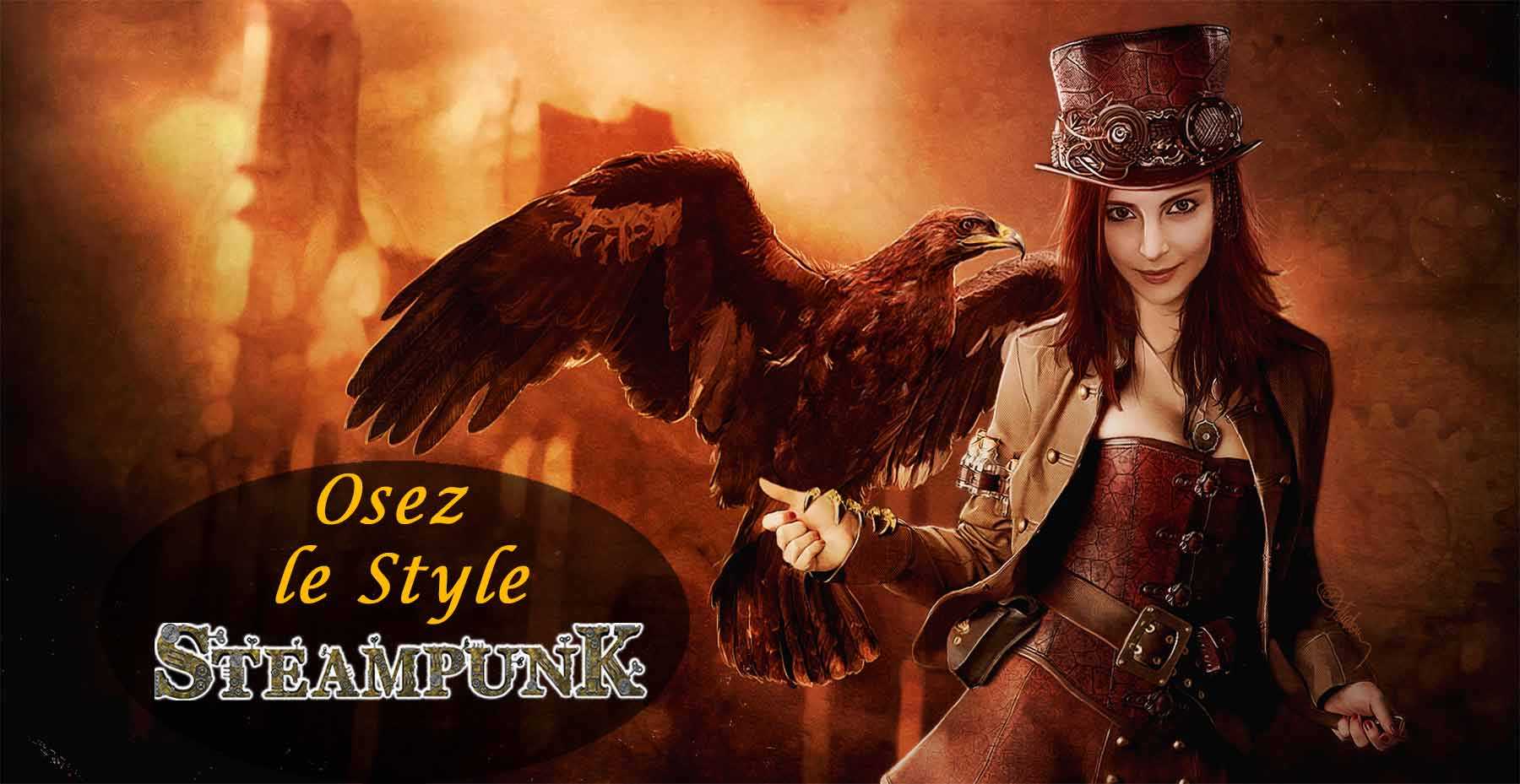
The Contemporary Frock Coat: A Mechanism of Timeless Elegance
Looking for the perfect frock coat jacket to complete your Steampunk outfit, dear enthusiasts? Gentlemen and ladies alike, look no further than our collection of mechanical frock coats!
Our collection of jackets and frock coats will allow men to stay fashionably current with comfort, functioning as a perfectly adapted vestimentary mechanism. All our items are made from high-quality materials so that they are not only beautiful, but retain their mechanical elegance over time.
Whether you are looking for something modern or timeless, formal or casual, we have everything you need! Stand out in style this season with one of our vintage jackets. With options ranging from elegant blazers to sophisticated double-breasted coats and everything in between, there is something for every gentleman-mechanic on our site.
Pairing with our steampunk accessories — hats, pocket watches, goggles — allows you to create a cohesive ensemble, like a perfectly orchestrated vestimentary clockwork.
Dear readers, the frock coat transcends mere vestimentary considerations to become a true mechanism of personal expression. From its equestrian origins to its consecration in Victorian salons, this masterpiece continues to embody the spirit of the contemporary gentleman-mechanic. It functions as a temporal bridge between the elegance of the past and the aesthetic aspirations of our retrofuturist era.
This remarkable synthesis of sartorial tradition and stylistic innovation constitutes the very essence of our passion for Victorian heritage. Whether in the workshops of our contemporary tailors or in the wardrobes of our modern dandies, the frock coat continues to evolve like a living mechanism, drawing on our collective imagination to create silhouettes of timeless elegance.
Sources and References
- Vestimentary archives of the European Victorian era
- Historical documentation on the evolution of men's fashion
- Contemporary studies on the sartorial heritage of the 19th century
- Technical analyses of traditional vestimentary construction
- Historical fashion collections and catalogues
Eugénie Vaporette
Curator and consultant in steampunk aesthetics
Graduate in the history of Victorian technologies