



Welcome to the world of V for Vendetta, a work that has captured the hearts and minds of millions of people around the world. Are you ready to plunge into the depths of a dystopian England where the fight for freedom is not merely an aspiration but a vital necessity?
In this detailed guide, we'll explore the powerful themes, unforgettable characters, and iconic moments that make this film a truly exceptional cinematic experience. Whether you're a long-time fan or a newcomer, prepare to see V for Vendetta in a whole new light.
The Context of V for Vendetta
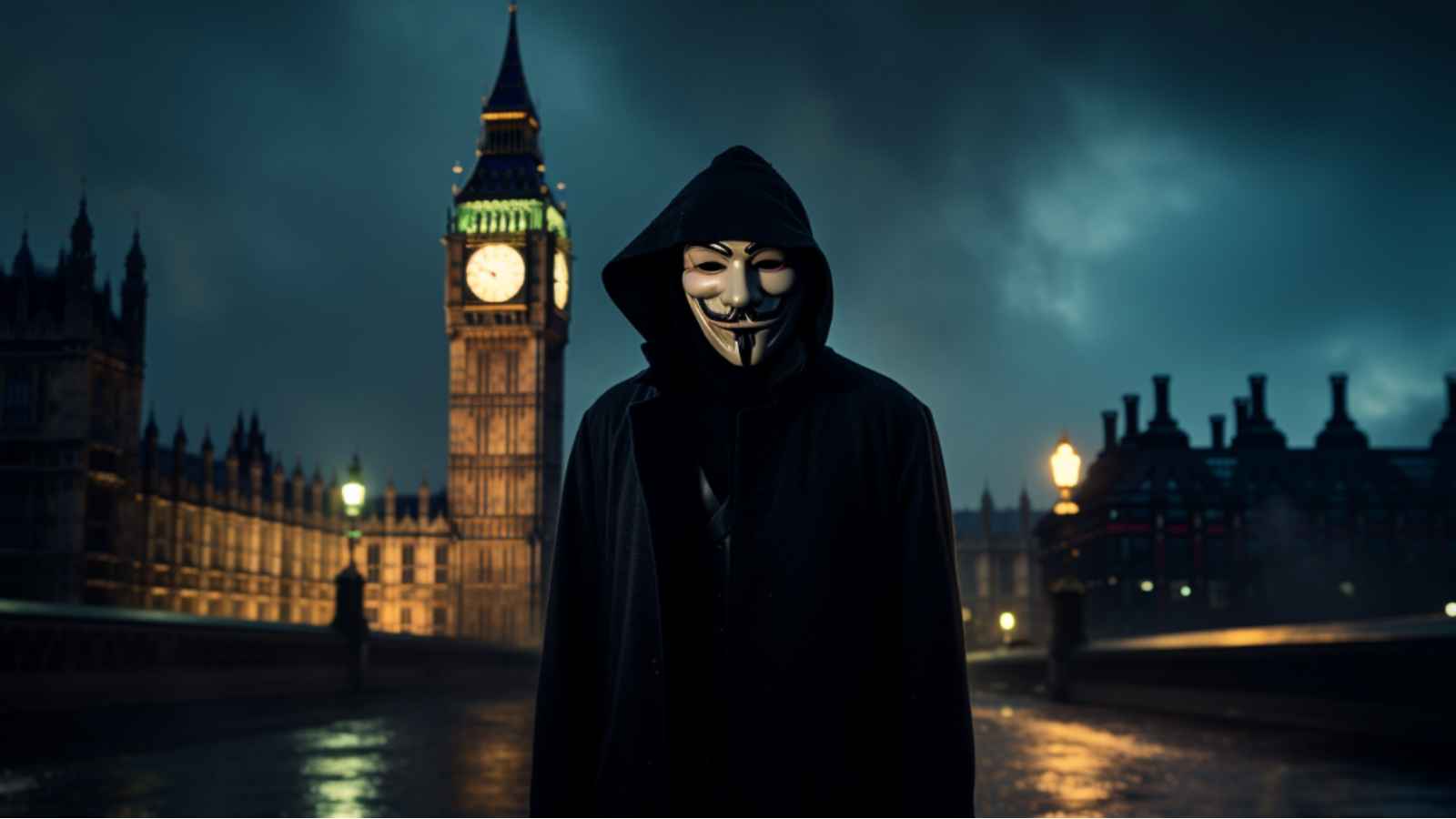
In V for Vendetta, a dystopian England serves as the backdrop for a gripping story. Directed by James McTeigue, the film explores a United Kingdom ruled with an iron fist by Adam Sutler, where individual freedom has been all but extinguished. It is in this oppressive climate that V emerges — a masked man inspired by Guy Fawkes, determined to bring down this totalitarian regime. The film, adapted from a graphic novel created by Alan Moore and David Lloyd, brings to life an unrecognizable London where law enforcement reigns supreme. The country is isolated, cut off from nations like the United States, creating a suffocating environment for its citizens.
Alan Moore: The Visionary Writer of V for Vendetta

Alan Moore, the creative mind behind the original V for Vendetta graphic novel, is a writer renowned for his groundbreaking contributions to the world of comics. With V for Vendetta, Moore dove deep into themes of freedom, oppression, and resistance, presenting a dystopian version of the United Kingdom that provokes genuine reflection. His collaboration with David Lloyd produced a timeless story that was later adapted into a film. Moore's complex narrative approach and attention to detail have made V for Vendetta a work that continues to resonate with new generations, well beyond the medium of comics.
David Lloyd: The Artist Behind V's Iconic Mask
David Lloyd is the co-creator and illustrator of the original V for Vendetta graphic novel. In collaboration with Alan Moore, he gave birth to the dark and complex universe that the film later adapted. But what makes Lloyd particularly memorable is his creation of the iconic Guy Fawkes mask worn by V. That mask has become a global symbol of resistance and rebellion, transcending the original work to become a cultural touchstone in its own right.
James McTeigue: The Film's Director
His work on this film was crucial in translating the message of the original graphic novel into a compelling cinematic work. McTeigue captured the essence of the dystopia imagined by Alan Moore and David Lloyd while adding his own artistic touch. The film, much like the graphic novel, depicts a United Kingdom in the grip of a totalitarian regime, but it is McTeigue's vision that brings this world to life on screen. He worked closely with acclaimed actors such as Natalie Portman and Hugo Weaving to ensure the film's message was powerfully received. The result is a film that not only entertains but also challenges the viewer to reflect on themes of freedom, oppression, and resistance.
The Screenplay by Andy and Larry Wachowski

The Wachowski siblings, known for "The Matrix," adapted the screenplay of "V for Vendetta" from Alan Moore and David Lloyd's graphic novel. The film, directed by James McTeigue, stars Evey Hammond — played by Natalie Portman — and V — played by Hugo Weaving — in a dystopian London under the thumb of High Chancellor Adam Sutler. The screenplay addresses key themes including tyranny, power, and resistance, enriching the source material while captivating viewers.
The Influence of the Original Graphic Novel on the Film
The cinematic adaptation of "V for Vendetta" would never have come to be without the foundational graphic novel.
-
First, the character of Evey Hammond undergoes a profound transformation in both media. In the graphic novel, she is already a complex character who goes through drastic changes. Natalie Portman, who took on the role of Evey in the film, managed to bring a new dimension to the character while remaining true to her original essence. Her journey from an ordinary citizen to a figure of resistance is just as moving on screen as it is on the page.
-
The portrayal of London as a dystopian city is another key element carried from page to screen. The dark sets, the curfews, and the oppressive presence of law enforcement are aspects that James McTeigue skillfully incorporated into his adaptation.
-
Finally, what makes this adaptation particularly successful is its respect for the complex themes explored by Moore and David Lloyd. Whether it's freedom, identity, or resistance to oppression, each element is carefully adapted to engage a broader audience while remaining faithful to the original work.
The Main Characters: A Complementary Duo
The soul of V for Vendetta lies in its main characters, particularly V and Evey Hammond.
V: The Embodiment of a Revolutionary Idea
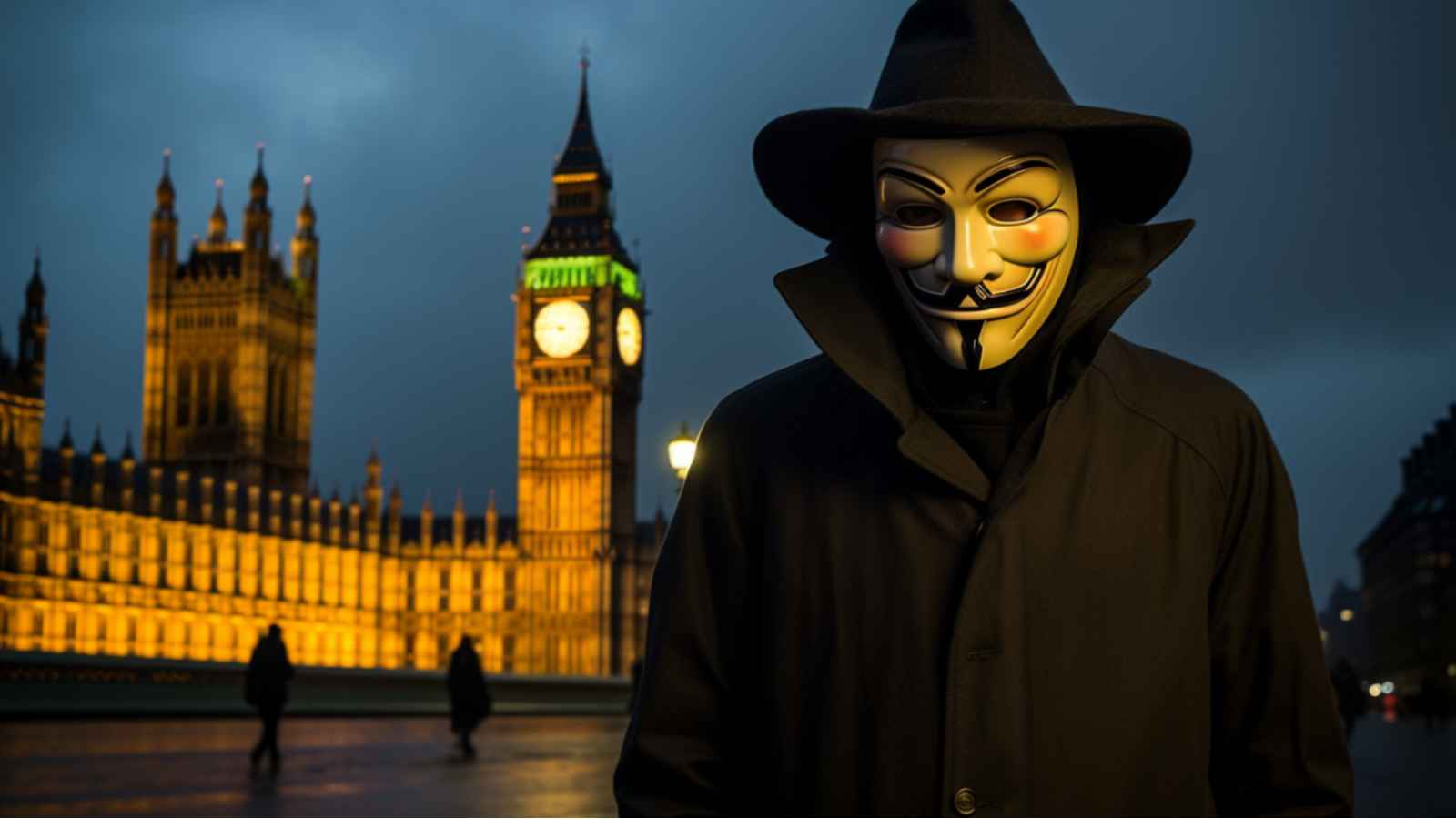
V, the iconic figure behind the Guy Fawkes mask, is more than a simple protagonist in V for Vendetta. Brilliantly portrayed by Hugo Weaving, he represents the very idea of revolution and resistance against the totalitarian regime that has enslaved the United Kingdom. V is not only a skilled fighter — he is also a thinker and a strategist. His actions are not merely impulsive; they are calculated to trigger profound change in society.
The mystery surrounding V adds another layer of complexity to the character. We never truly know who he is, where he comes from, or even how he became what he is. This makes him simultaneously omnipresent and elusive, strengthening his impact on the audience. His mantra, "I am like an idea, and ideas are bulletproof," perfectly captures the essence of his character.
Thus, V is not simply a hero or a fighter. He is a symbol of freedom and opposition to oppression — an embodied idea capable of mobilizing the masses and changing the course of history.
Evey Hammond: The Co-Protagonist in Search of Freedom
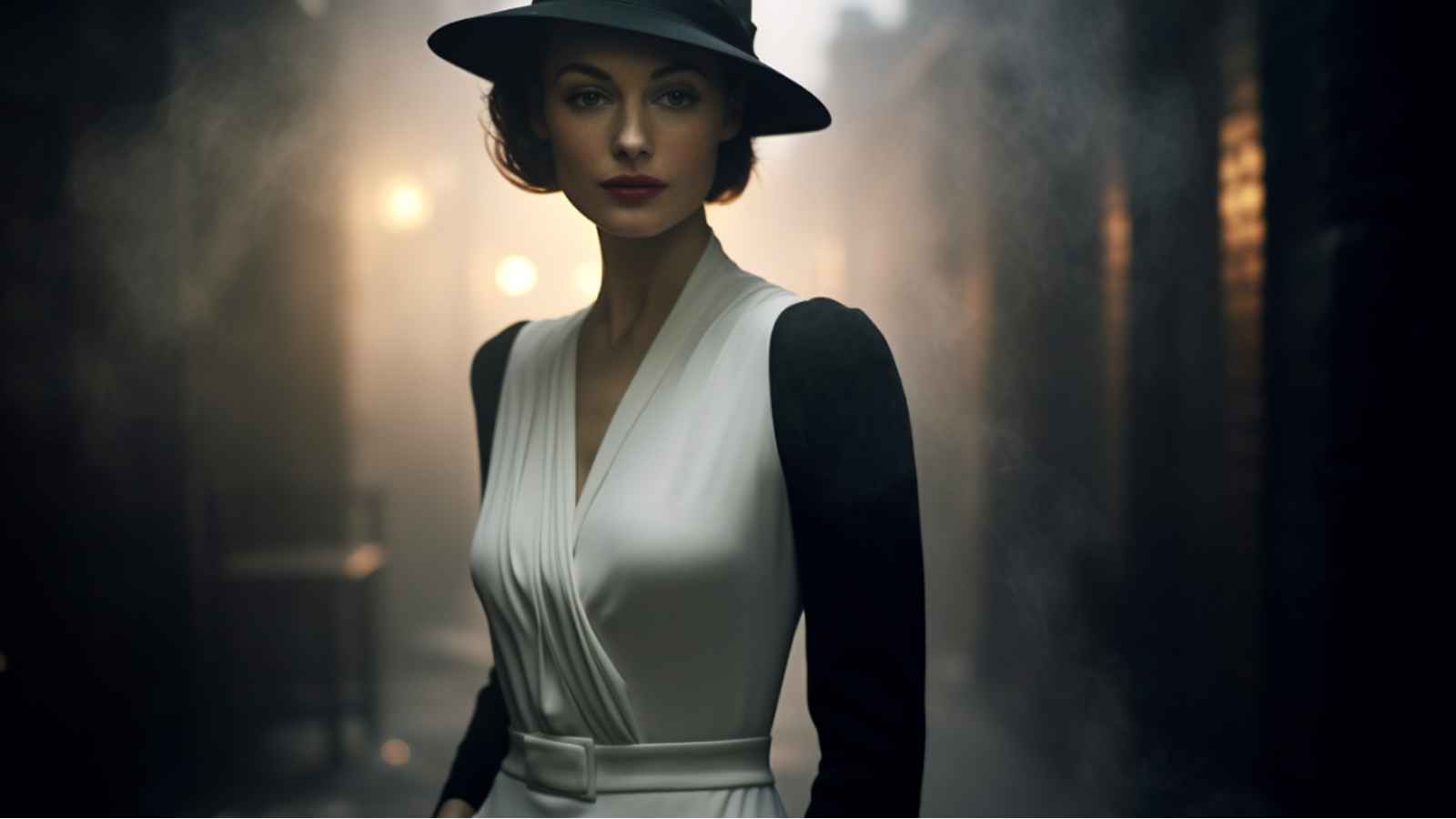
At the heart of this story is also Evey Hammond, brilliantly portrayed by Natalie Portman. Evey is a young woman who begins the film in a state of near-constant fear, bred by the regime's methods of control and surveillance. She lives in a society where freedom is severely curtailed by law enforcement and where every action can have grave consequences.
Her chance encounter with V propels her into an adventure that will change her life forever. Evey quickly becomes an integral part of V's strategy to bring down oppression. Her transformation — both physical and psychological — is striking. From a person living in constant fear of authority, she becomes a strong woman, capable of standing up to the powerful and playing a role in bringing change to society.
The Work's Themes: Freedom, Identity, and Resistance
One of the most striking aspects of V for Vendetta is the way it explores deep themes that remain relevant today. Freedom is at the heart of the story — both what has been lost and what is being sought. The totalitarian regime of the United Kingdom has created a society in which individual freedom barely exists. Yet the resistance led by V and Evey Hammond shows that freedom is always possible, even in the darkest of circumstances.

Beyond freedom, the work also explores the concept of identity. Every character — from V to Evey and even the members of the government — is on a quest to discover their own identity in a society that attempts to impose one upon them. The film raises difficult questions: Who are we when all our freedoms are stripped away? How much of our identity is truly our own, and how much has been imposed on us?
V for Vendetta and Steampunk
If you're a fan of the steampunk genre, you'll find many elements in V for Vendetta that will speak to you. While the film doesn't strictly fall within the steampunk framework, it borrows certain aesthetics and themes from it. The dystopian England in which the action unfolds features anachronistic technologies, dark sets, and a retro-futuristic atmosphere. This dimension adds an extra layer of complexity to the story, making V's world all the more captivating. So how does steampunk influence the narrative and characters of V for Vendetta? Let's dive into this fascinating exploration together.
The Symbolism of the Mask: More Than a Simple Disguise

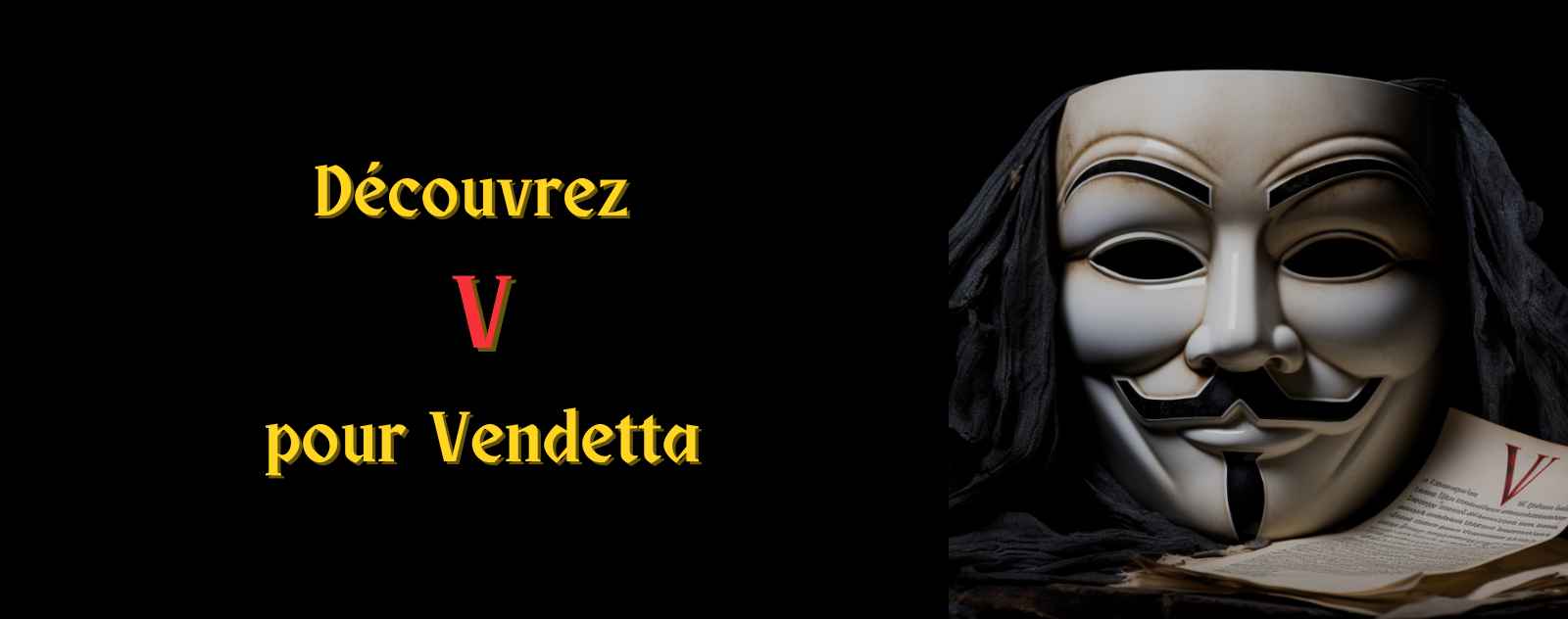
The Guy Fawkes mask in V for Vendetta is far more than a simple prop. Created by David Lloyd, it has become a universal symbol of rebellion against oppression. The mask allows V to be everywhere and nowhere at once — an embodiment of the idea of resistance itself. It unites people under a common cause and becomes an icon of the fight for freedom. Its omnipresence demonstrates that ideas are bulletproof: you may kill a man, but you cannot kill an idea.
The League of Extraordinary Gentlemen: A Steampunk Work
V for Vendetta and Politics: A Life-Size Game of Chess
Politics is inextricably linked to the plot of V for Vendetta. The ruling regime, led by High Chancellor Adam Sutler, uses diabolical methods to maintain control: fear, manipulation, and the suppression of freedom. V, by contrast, uses hope, truth, and the desire for freedom to rally the people. It is an intellectual and strategic duel between two world views, two ways of wielding power. This life-size game of chess highlights the complexity of political movements and revolutions, and how a single man — or a single idea — can bring down an empire.
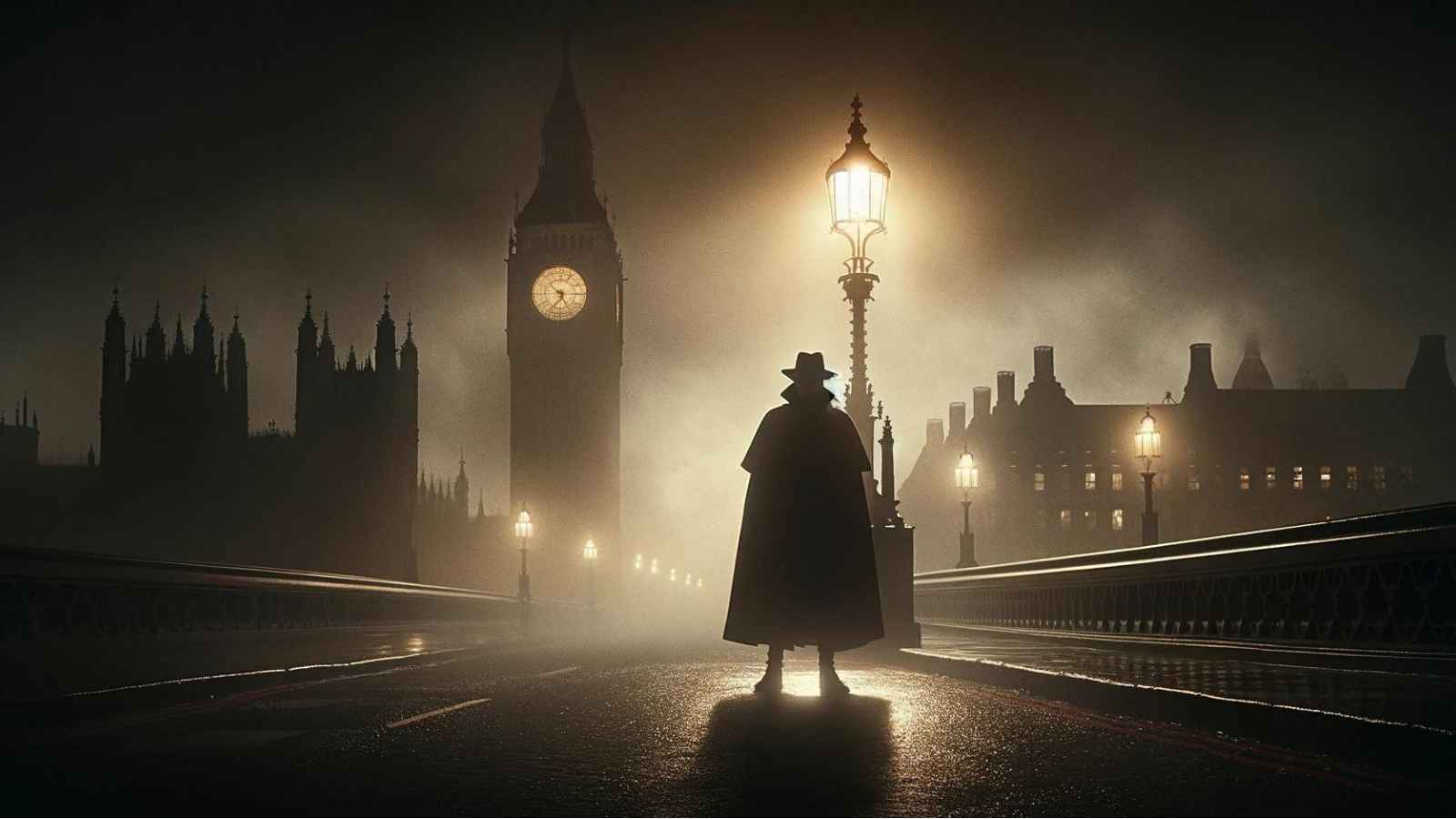
V transcends the traditional role of a film hero. He becomes a powerful embodiment of freedom and resistance — a manifest idea capable of galvanizing an entire people. He is not merely a character but an enduring concept capable of inspiring real and profound change in a society in chains. V represents the indomitable human spirit, proving that even in the face of an oppressive regime, the idea of freedom remains invincible.