





Mary Shelley is an indispensable figure of British literature, known primarily for her revolutionary work "Frankenstein, or the Modern Prometheus". But who was this woman who truly left her mark on the history of literature and science fiction? Born Mary Wollstonecraft Godwin, she was the daughter of two progressive thinkers, William Godwin and Mary Wollstonecraft, and the wife of the celebrated poet Percy Bysshe Shelley. Her fascinating journey, marked by complex relationships, personal tragedies, and a relentless quest for knowledge, gave birth to works that continue to influence modern culture.
In this article, we will explore the life and work of Mary Shelley, from her beginnings as Mary Godwin to her influence on the Romantic movement, the Gothic genre, and even steampunk. We will also delve into her relationships, particularly with Percy Shelley, and how they shaped her writing. Finally, we will examine her legacy and her lasting impact on literature and beyond.
The Early Years of Mary Wollstonecraft Godwin
Mary Shelley, born Mary Wollstonecraft Godwin in 1797 in London, is an iconic figure of Victorian Era literature. She is the daughter of two renowned intellectuals of their time: Mary Wollstonecraft, a feminist writer and philosopher, and William Godwin, a political journalist and philosopher. This union of two brilliant minds gave birth to a woman who would go on to revolutionize literature and science fiction.
Mary Wollstonecraft Godwin's education was unconventional. Her father, William Godwin, firmly believed in the education and emancipation of women, ideas he shared with his late wife, Mary Wollstonecraft. Mary Godwin thus grew up in an environment where books, ideas, and intellectual discussions were commonplace. This family setting contributed greatly to shaping her literary genius and preparing her for life as a writer.
Mary Godwin was also influenced by her mother's works, particularly her most famous book, "A Vindication of the Rights of Woman". This text laid the foundations of modern feminism and had a significant impact on the young Mary. She grew up knowing that women could contribute meaningfully to society, not only as mothers and wives, but also as intellectuals and writers.
Mary Godwin and Percy Bysshe Shelley: A Complex Relationship

The relationship between Mary Godwin and Percy Bysshe Shelley is one of the most fascinating and complex in the history of literature. Percy Shelley, a British Romantic poet, met Mary Godwin when she was only 16 years old. At the time, Percy Shelley was already married, but this did not stop him from falling deeply in love with the young Mary. The couple began an affair that shocked respectable society of the era.
Percy Shelley was a man of radical ideas, both in politics and in love. He was a fervent defender of individual freedom and social equality, ideas that resonated with Mary Godwin. Their relationship was based on a mutual admiration of each other's talents and a passion for revolutionary ideas. This relationship had a profound impact on Mary Shelley's work, particularly on the creation of her masterpiece, "Frankenstein, or the Modern Prometheus".
The relationship between Mary and Percy was also marked by tragedies, including the premature death of their daughter and exile in France and Italy. Despite these ordeals, their love and intellectual collaboration endured. Percy Shelley even contributed to the editing of "Frankenstein" and encouraged Mary in her writing.
The Creation of Frankenstein, the First Science Fiction Novel

The creation of "Frankenstein, or the Modern Prometheus" is a landmark in the history of literature and science fiction. Written by Mary Shelley in 1818, this Gothic novel was born during a stay at Lake Geneva, in the company of Percy Bysshe Shelley and Lord Byron. The trio had issued themselves a challenge: each to write a horror story. It was in this context that Mary Shelley conceived the story of Victor Frankenstein, a scientist who creates a creature by assembling parts from cadavers.
This novel is considered the first work of the science fiction genre. It addresses profound themes such as the limits of science, ethics, and the human condition, while introducing the concept of the "Modern Prometheus", a creator who defies the laws of nature.
"Frankenstein" has had a lasting impact on literature and popular culture, inspiring numerous Gothic films, adaptations, and academic discussions. It remains one of Mary Shelley's most influential works and a timeless classic of science fiction.
The inspiration behind Frankenstein: A night at Lake Geneva
The story of how "Frankenstein, or the Modern Prometheus" came to be is almost as famous as the novel itself. The inspiration came during a stormy night spent at Lake Geneva, in Switzerland. Mary Shelley, accompanied by Percy Bysshe Shelley and Lord Byron, took part in an informal competition to write the best horror story. It was on that night that the idea for Frankenstein was born.

The wild nature and storms around Lake Geneva served as the perfect backdrop for Mary Shelley's fertile imagination. The setting captured the essence of the Gothic novel and provided an ideal atmosphere for the birth of one of literature's most iconic characters: Frankenstein's monster.
That night at Lake Geneva was not merely a simple evening among friends; it marked the birth of a literary genre and made Mary Shelley a pioneer of science fiction.
Mary Shelley's Lesser-Known Works: From Gothic Novel to "The Last Man"
While Mary Shelley is best known for "Frankenstein, or the Modern Prometheus", her body of work does not stop there. She also wrote other novels, including "The Last Man", a post-apocalyptic science fiction work published in 1826. This novel explores themes such as solitude, loss, and humanity, and is considered a forerunner of the post-apocalyptic genre.
Beyond "The Last Man", Mary Shelley wrote several other novels and short stories that fall within the Gothic novel genre. These works, though less celebrated, are just as important for understanding the scope and depth of her literary talent.
These lesser-known works demonstrate Mary Shelley's versatility as a writer and her ability to tackle diverse genres and themes. They also confirm her status as a pioneer in the fields of the Gothic novel and science fiction.
Mary Shelley and the Romantic Movement: Influence and Legacy

Mary Shelley is often associated with the Romantic movement, a literary and artistic current of the early 19th century. As the wife of poet Percy Bysshe Shelley, an iconic figure of Romanticism, she was immersed in a circle of intellectuals and artists who profoundly influenced her work.
Her novel "Frankenstein, or the Modern Prometheus" is a perfect example of the fusion between Romantic ideas and Gothic elements. The book explores themes dear to Romanticism, such as individualism, emotion, and nature, while raising ethical and philosophical questions.
Mary Shelley's influence on the Romantic movement is not limited to her most famous work. She contributed to enriching and diversifying the genre by integrating elements of science fiction and social criticism.
Her lasting impact on literature and culture goes beyond the Romantic movement. She is considered a pioneer in several literary genres and her legacy continues to be studied and celebrated today.
Mary Shelley and the Gothic: An Undeniable Influence
Mary Shelley is an indispensable figure of the Gothic style, a literary genre that emerged at the end of the 18th century. Her most celebrated work, "Frankenstein, or the Modern Prometheus", is often cited as a Gothic novel masterpiece. The book combines elements of terror, mystery, and the supernatural, all typical characteristics of the genre.
The influence of the Gothic on Mary Shelley is undeniable. She knew how to integrate Gothic themes and motifs in an innovative way, blending them with philosophical and ethical questions. This unique mixture gave birth to a complex work that left its mark on the history of literature.
"Frankenstein" is not merely a horror novel; it is also a profound reflection on the human condition, science, and morality. These themes, explored through the prism of the Gothic, make Mary Shelley an influential and avant-garde author in this literary genre.
Mary Shelley and Steampunk: An Avant-Garde Vision

Although Mary Shelley lived long before the emergence of the steampunk genre, her influence on this science fiction subgenre is undeniable. Steampunk art, which blends elements of science fiction with a Victorian aesthetic, finds some of its roots in Mary Shelley's work.
"Frankenstein, or the Modern Prometheus" can be considered a forerunner of steampunk due to its exploration of the themes of science and technology. The character of Victor Frankenstein, a scientist who uses technology to create life, is an archetype that has been revisited in numerous steampunk works.
Mary Shelley's avant-garde approach to science and technology, as well as her inclination toward Gothic themes, make her an influential figure in the development of the steampunk genre. Her work continues to inspire the authors, artists, and creators who explore this fascinating science fiction subgenre.
Life After Percy Shelley: A Continued Contribution to Literature
The death of Percy Bysshe Shelley in 1822 was a turning point in Mary Shelley's life, but it did not put an end to her literary career. On the contrary, she continued to write and publish, asserting her independence as a writer and intellectual.
After her husband's death, Mary Shelley published several works, including "The Last Man", a post-apocalyptic novel exploring themes of solitude and despair. She also wrote biographies, articles, and literary criticism, making a significant contribution to 19th-century British literature.
Her work following Percy Shelley's death demonstrates not only her resilience, but also her commitment to the ideas and themes closest to her heart. She continued to explore questions of science, ethics, and society, while leaving a lasting legacy that transcends her era and context.
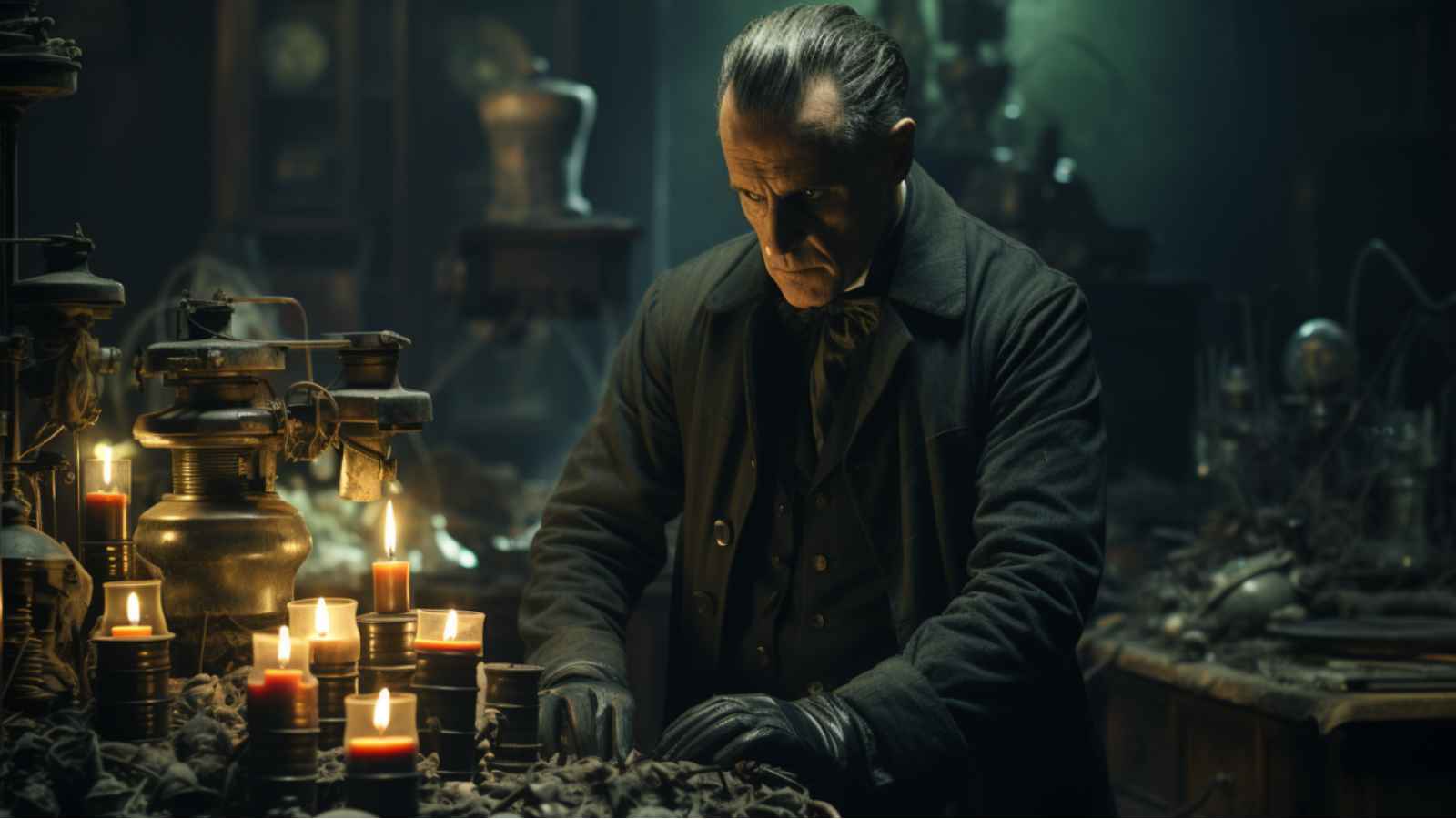
Mary Shelley remains an iconic figure of British and world literature. From her beginnings as Mary Wollstonecraft Godwin to her role in the Romantic movement, through her contributions to the Gothic genre and even to steampunk, her influence is undeniable. After the death of her husband, the poet Percy Bysshe Shelley, she continued to enrich the literary landscape with diverse and forward-thinking works.

Emily Bronte: A Pen in the Wind of the Moors
Her novel "Frankenstein, or the Modern Prometheus" is not only a cornerstone of the Gothic novel but is also considered the first science fiction novel. This masterpiece continues to be studied and adapted, from film to theatre, testifying to its lasting impact on diverse genres and media.
Mary Shelley was far more than a novelist; she was a writer, a biographer, and an intellectual who left an indelible mark on the history of literature. Her work continues to inspire and fascinate, making her a timeless icon whose legacy endures through the ages.