



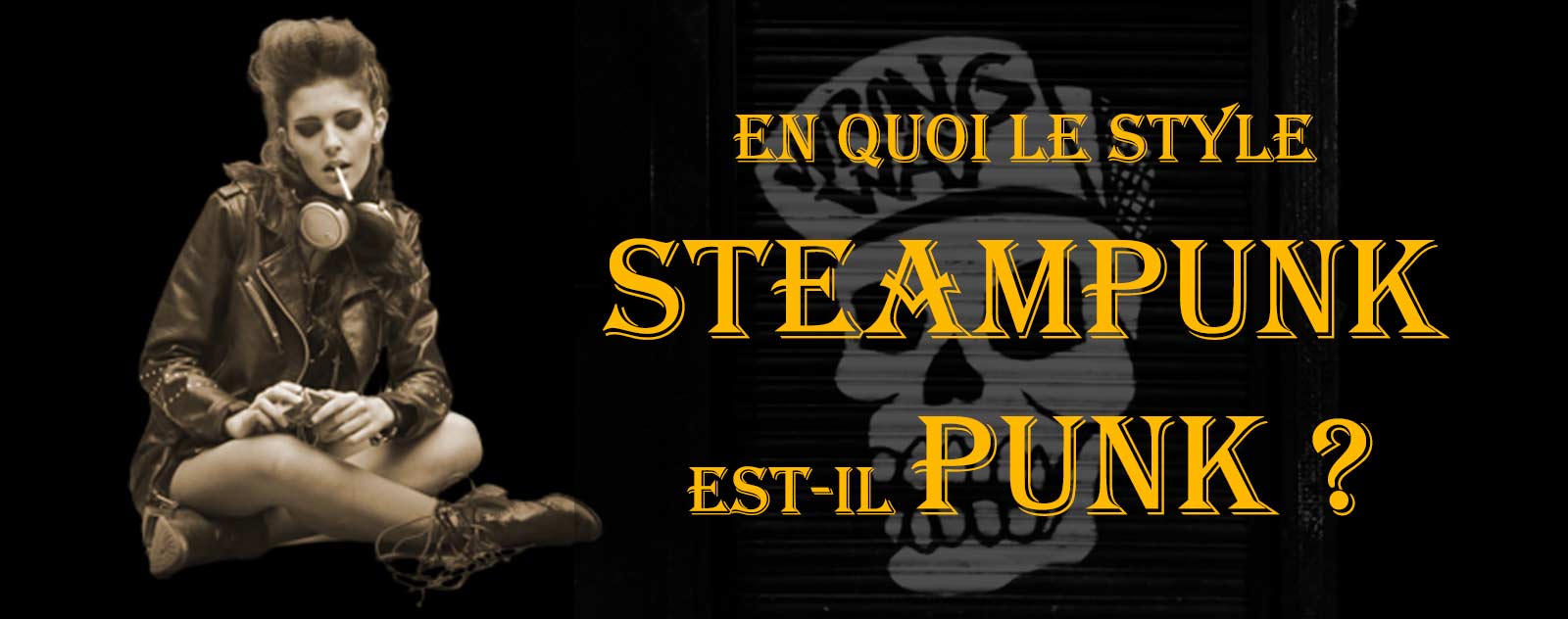
Several hypotheses compete to explain the profoundly punk nature of Steampunk culture. Does this label stem from its close association with the Cyberpunk genre? Or does it find its legitimacy in the tinkering and counter-culture spirit of the enthusiasts of this universe? To unravel this aesthetic enigma, we need to explore the history of this movement and the way it has been embraced by other alternative communities and artistic forms.
The Punk Style: Heritage of a Counter-Culture Movement
The Genesis of Punk Style and Its Subversive Codes
The punk movement emerged as a counter-culture in the mid-1970s in New York and London, with the UK quickly becoming the epicenter of this aesthetic revolution. Punk rock musicians forged their own sounds and integrated a rebellious attitude into their daily lives. Punk style thus became the preferred vehicle of expression for a youth that had broken with dominant society and established social conventions.
Punk quickly gained notoriety, becoming a generic music label designating anarchic and irreverent acts such as the Sex Pistols, the Clash and many other seminal figures of the genre. Most punk bands rejected the mainstream elements associated with 1970s rock and created short, fast music. Compositions featured raw riffs, with lyrics generally conveying political and rebellious themes. Most acts produced their own recordings and distributed them independently through independent labels.
The Punk Movement in the Modern Age
"No future," the Sex Pistols' emblematic battle cry, has never resonated more acutely. The punk movement has evolved over the decades and continues to inspire each generation of young people seeking rebellion against social norms. Despite emerging more than four decades ago, original punk continued its metamorphosis to encompass many sub-genres: punk rock, ska punk, street punk and many other offshoots. Punk remains a symbol of rebellion and non-conformity, destined to inspire future generations.
Punk Style, Punk Fashion: The Codes of NO FUTURE
Punk style transcends mere clothing or music: it is a way of life, a philosophy in its own right. Punks dress provocatively to convey a message of rebellion. Punk clothing is traditionally associated with dark colors like black, adorned with studs, chains, leather jackets and printed t-shirts. Punk footwear is equally recognizable, with leather boots and the iconic Doc Martens. Punk style often cultivates a relaxed and deliberately disheveled look, giving rise to the DIY philosophy (Do It Yourself) so characteristic of the genre. Punk has become a global cultural phenomenon.
The Creation of Punk Fashion and Its Sartorial Aesthetic

Women's Punk Style: Aesthetic and Cultural Rebellion
Vivienne Westwood stands as the iconic creator of punk style and its sartorial codes. She captured the very essence of punk rebellion in her creations and unified the aesthetic. Westwood's clothes were provocative, colorful and incorporated characteristic elements:
- Studs, safety pins and patches, adorning her leather jackets and accessories
- Printed t-shirts with street-art graphics
- Iconic shoes such as the "Pirate Boots" and "Rocking Horse Shoes"
- Corsets, essential to women's punk style, adorned with provocative motifs like skulls or chains
She succeeded in creating a clothing style that became emblematic of the movement. Naturally, other designers also borrowed elements of the punk look in their collections. Jean Paul Gaultier is among them, having taken up punk style codes with the kilt or denim to create garments combining provocation and elegance. However, these designers were not the pioneers of punk style. Their appropriation of punk fashion was above all a strategy to capitalize on the popularity of the movement.

Punk Style and Science Fiction Literature
The term "punk" was first used in science fiction literature by Bruce Bethke, who published a short story entitled "Cyberpunk." Later, William Gibson provided the definitive elements of this genre in his masterwork "Neuromancer." In this context, punk functions as a style of fiction combining subversive, pessimistic punk attitudes with cyberspace, cybernetics and other futuristic technologies. The recurring theme of cyberpunk generally consists of visualizing a societal collapse, generating social disparities and attempts to overthrow established authorities.
A Look Back at the Origins of Other Punk Styles
The cyberpunk genre projects punk style into a dystopian future. It has often been considered the driving force behind many other genres in the science fiction sphere. The most common are biopunk, nanopunk and, of course, steampunk style. The term was first used by K.W. Jeter in the late 1980s. K.W. Jeter was then a recognized author in the science fiction community, famous for his cyberpunk works such as Dr. Adder, The Glass Hammer, and many others.
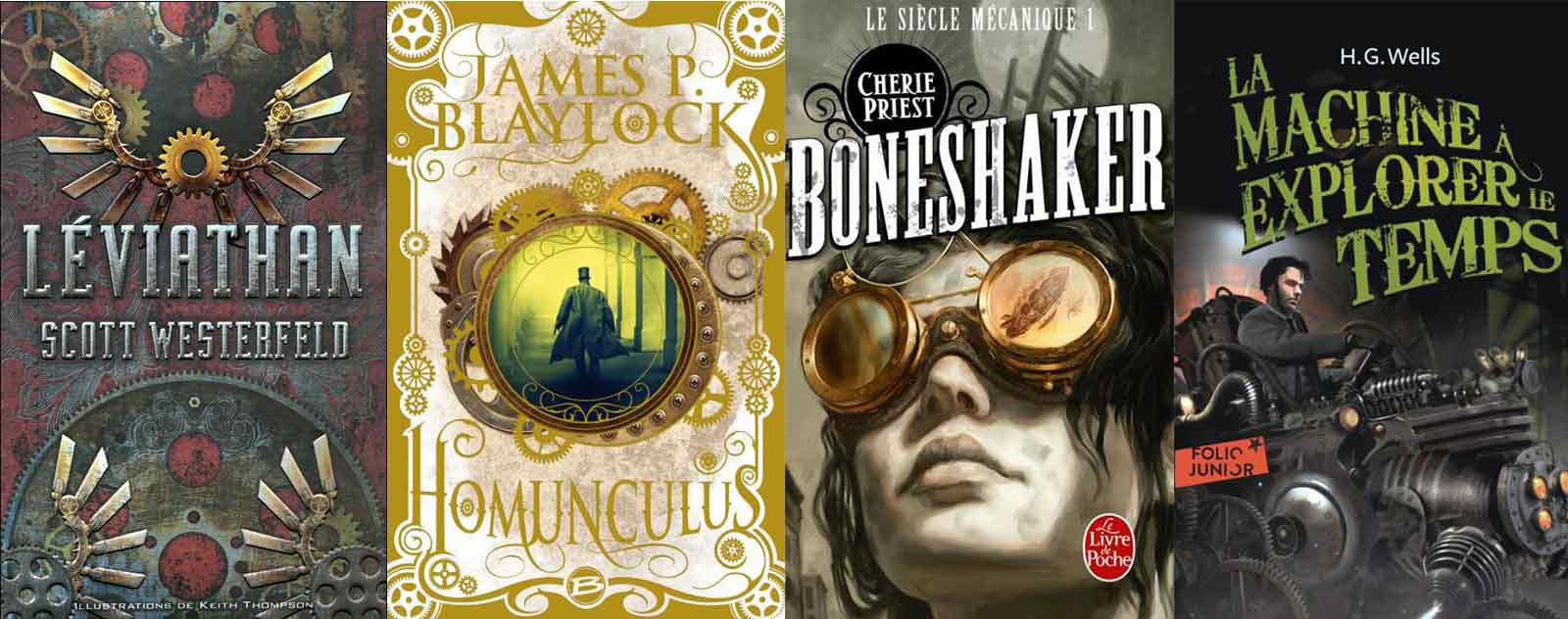
While the word was borrowed from its famous counterpart, cyberpunk, steampunk literature actually dates back to the 1870s and 1890s, with the visionary works of Jules Verne and H.G. Wells. These early science fiction novels were considered the forerunners of the retro-futuristic aesthetic associated with this genre as we know it today.

Steampunk Style: Far More Than a Fashion, a Complete Universe
Steampunk constitutes a particularly visual form of fiction, appealing and sophisticated, generally revolving around modernized technologies of the industrial era powered by steam. Beyond its visual appeal, it is its dystopian vision of science, technology and the world that drives its success, critiquing our way of living and consuming, exactly like punk style. It is one of those rare science fiction sub-genres that has infiltrated other artistic subcultures such as music, fashion, craftsmanship and even video games.

Is There Really Punk in Steampunk?
Now that we have clarified the nature of punk fashion and style, we can identify the points of convergence between punk and steampunk. Punks generally identify social disparities and oppose established norms. Steampunks adopt a similar stance by recognizing the social inequalities of the Victorian era and attempting to reject the conventions of that time. For example, men and women dress as explorers, pirates, aviators, scientists, vigilantes and other adventurer figures. Something that was far from common in the Victorian era, where women were generally confined to the role of housewife.

Many steampunk enthusiasts also create their own personas that they use to escape their everyday lives. These people do not merely create original characters, but also adopt different personality traits when embodying them. Another point of convergence with punk style: they use their love for steampunk culture as a means of freeing themselves from existing social norms and exploring the world from a new angle.
Beyond this dimension, steampunks are also renowned for their ability to tinker and create unique models, sculptures, works of art and original accessories. They cultivate a maker attitude toward existing technologies, and their designs range from creating new inventions to redesigning existing technologies to fit the steampunk aesthetic.
In short, even though steampunk does not possess the raw, frontally confrontational aesthetic of 1970s punk style, it captures its deeper essence through its disdain for established social norms and its passionate creator attitude. Both movements share the same DIY philosophy, that desire to reinvent the world according to their own codes, and that quest for freedom in the face of convention. Discover our collection of steampunk clothing for men and explore steampunk jewelry to embody this rebellious and creative spirit.
Thank you for reading, dear fans of retro-futurism, and until next time for new steampunk chronicles in our alternative universe.
